
Window Installation Cost Guide 2026
6 min read · Last updated July 20, 2026
- A single installed replacement window runs about $450 to $3,000 in 2026, depending on frame material, glass package, and whether it is an insert or full-frame job.
- Replacing 10 to 15 windows at once typically costs $6,000 to $22,000, and buying in bulk cuts the per-window price versus one-at-a-time.
- Insert vs. full-frame is the biggest hidden line item. Full-frame costs more but is required when the old frame is rotted.
- The federal tax credit that once returned up to $600 on ENERGY STAR windows expired for installs after December 31, 2025, so a 2026 replacement no longer qualifies.
In this article
- What window installation costs in 2026
- What drives the price up or down
- How to read and compare window quotes
- Your estimate may vary
- FAQ
When a storm cracked two windows in Priya’s 1990s Denver split-level, she pulled quotes to replace all 14 at once: $9,100 for standard vinyl double-hung, $15,600 for fiberglass, and $22,300 for wood-clad. Buying the whole house at once cut the per-window price by nearly a third versus replacing them one at a time, because the crew mobilized once instead of five times.
Windows are quoted per unit, but the install method hides underneath that number. Two quotes for the same window can differ by hundreds of dollars because one assumed a quick pocket insert and the other assumed pulling the window down to the framing.
What window installation costs in 2026
The table below shows typical installed cost per window by frame material, including standard removal and a double-pane low-E glass package. Larger units, triple-pane glass, and custom shapes push toward the top of each range.
| Frame material | Typical installed cost per window | Notes |
|---|---|---|
| Aluminum | $400 to $1,200 | Low cost, conducts heat, best in mild climates |
| Vinyl | $450 to $1,200 | Most popular, low maintenance, good value |
| Composite | $600 to $1,600 | Blends vinyl and wood fiber for strength |
| Fiberglass | $700 to $1,800 | Durable, stable in temperature swings |
| Wood or wood-clad | $1,000 to $3,000+ | Premium look, needs upkeep, highest cost |
For a whole-house project of 10 to 15 windows, that works out to roughly $6,000 to $22,000 installed. Style matters too: a standard double-hung sits at the low end of any material’s range, while casement, bay, and bow windows cost more per unit because of hardware and size.
Efficiency is where the money comes back. ENERGY STAR certified windows can trim heating and cooling bills by up to about 13 percent nationwide compared with non-certified units, according to the ENERGY STAR program. Look for the ENERGY STAR label and the NFRC rating that matches your climate zone.
What drives the price up or down
| Factor | Effect on price |
|---|---|
| Insert vs. full-frame install | Full-frame replacement costs more because the crew removes the window down to the framing |
| Frame material | Vinyl and aluminum are cheapest; fiberglass and wood-clad cost more |
| Glass package | Triple-pane, low-E coatings, and argon fill add cost and efficiency |
| Window count | More windows lower the per-unit price by spreading mobilization across the job |
| Custom sizes and shapes | Non-standard or arched units cost more than stock sizes |
| Rot or structural repair | Damaged framing found on removal adds unplanned cost |
That last point is worth stating plainly because it trips people up. The Energy Efficient Home Improvement Credit covered qualifying property placed in service through the end of 2025, per the IRS. If you were counting on a federal credit to offset a 2026 window job, that money is no longer on the table. Check for state or utility rebates instead, which many efficiency programs still offer.
How to read and compare window quotes
Get three written quotes, and make the crews confirm one thing first: are they quoting an insert or a full-frame replacement? An insert reuses the existing frame and is faster and cheaper, but it is only appropriate when the old frame is sound. If there is any rot or the frame is out of square, you need full-frame, and a quote that assumes an insert will jump on install day.
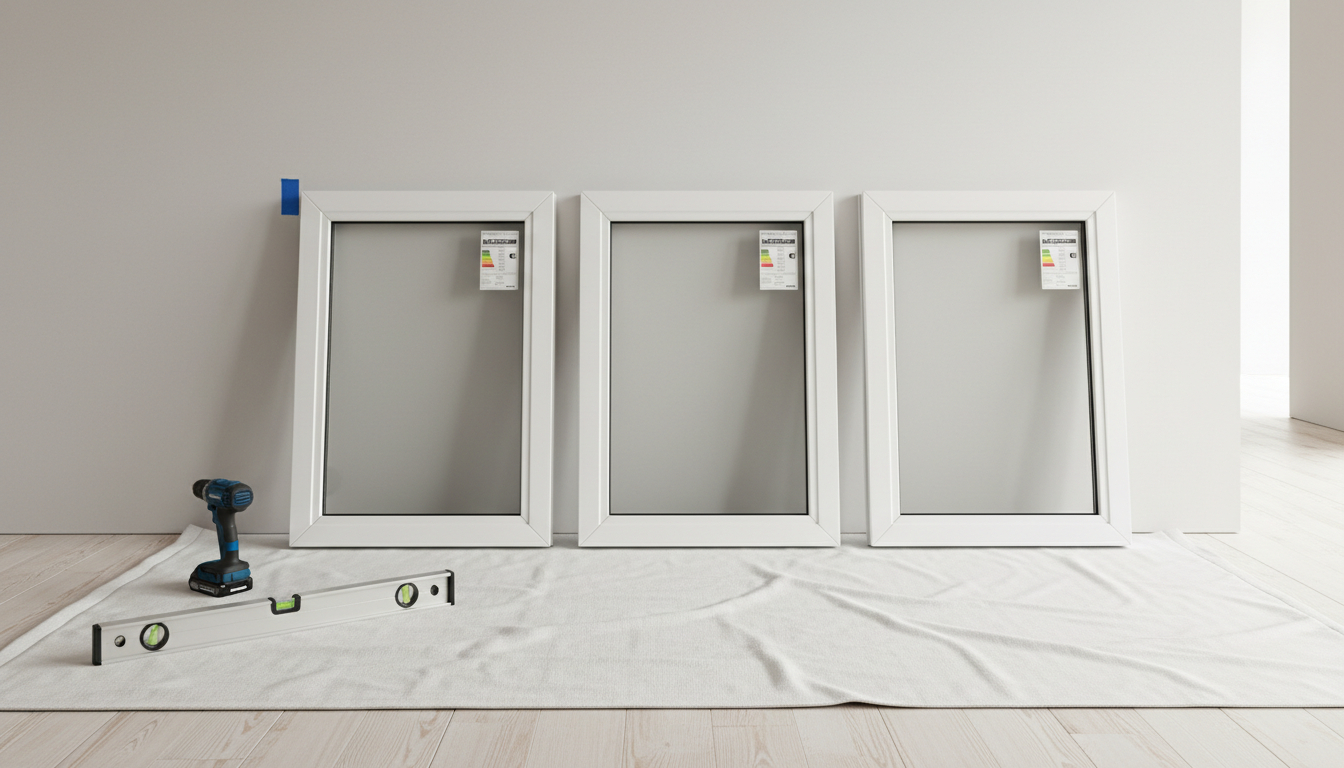
Then check that all three quotes include the same glass package, disposal of the old units, and interior and exterior trim work. Ask about the labor warranty and how they handle a special-order unit that arrives damaged. Verify the license and insurance, and confirm who pulls the permit. The same line-item discipline in our Roof Replacement Cost Guide applies here: compare scope, not just the total.
Your estimate may vary
National ranges are a starting point. Your final number depends on the frame material and glass you choose, how many windows you do at once, local labor rates, and what the crew finds when the old units come out. Bundling the whole house into one job is the most reliable way to bring the per-window price down.
On the DIY question: swapping a same-size insert is within reach for an experienced homeowner, but full-frame replacement, flashing, and air sealing are not. A poor seal shows up as drafts and water damage later, so for full-frame work or any second-story window, hire a pro. When you are ready, line up installers who quote your window type. Homeowners re-siding at the same time often coordinate both jobs, so see our Hire a Siding Installer guide if the exterior is coming off anyway.
Frequently asked questions
How much does it cost to replace one window? A single installed replacement window runs about $450 to $3,000 in 2026. Vinyl and aluminum sit at the low end, fiberglass in the middle, and wood or wood-clad at the top. The install method, insert or full-frame, and the glass package move the number within each range.
How much does it cost to replace all the windows in a house? Replacing 10 to 15 windows typically costs $6,000 to $22,000 installed, depending on material and glass. Doing the whole house at once lowers the per-window price because the crew sets up a single time instead of returning for each unit.
What is the difference between insert and full-frame window replacement? An insert, or pocket, replacement fits a new window into the existing frame and is cheaper and faster. Full-frame replacement removes the window down to the studs and is required when the frame is rotted or out of square. Always confirm which one a quote assumes.
Are there tax credits for new windows in 2026? The federal Energy Efficient Home Improvement Credit covered ENERGY STAR windows only through December 31, 2025, so windows installed in 2026 no longer qualify for that credit. Check for state energy-office and local utility rebates, which many programs still offer.
How long do replacement windows last? Quality vinyl and fiberglass windows typically last 20 to 40 years, and wood windows can last longer with maintenance. Lifespan depends on the frame material, install quality, and climate. A proper air seal and flashing at installation matter as much as the window itself.
Ready to compare local window installation quotes? Find a vetted window installer near you via Thumbtack and get free quotes from background-checked pros.