
Patio Installation Cost Guide 2026
6 min read · Last updated June 29, 2026
- Patio installation runs $10 to $25 per square foot installed in 2026; a typical 300 square foot patio lands between $3,000 and $7,500, with material choice driving most of the spread.
- Base preparation and drainage, not the pavers themselves, are where bids diverge most; a proper six-inch compacted gravel base can add $2 to $4 per square foot but is what makes a patio last decades.
- Poured concrete is the cheapest option at $8 to $15 per square foot; natural flagstone is the priciest at $20 to $35; pavers sit in the middle and are the most repairable.
- Get three line-item quotes and normalize them before comparing totals, because a quote that omits base depth or drainage only looks cheaper.
In this article
- What drives patio installation cost
- Cost ranges by material and scope
- How to compare patio quotes
- Hire a pro vs. DIY
- FAQ
When Renee priced a 350-square-foot paver patio for her backyard in Denver, the three quotes came back at $4,200, $6,500, and $9,800. Same square footage, same paver style she had picked out. The lowest quote priced a sand-set patio with no compacted base. The middle quote included a six-inch gravel base, proper slope, and polymeric joint sand. The highest added a built-in seat wall and a permit she did not actually need. The number on the page meant nothing until she understood what each one was actually buying.
What drives patio installation cost
Material. This is the largest single factor. Poured concrete is the most affordable, stamped concrete adds a decorative premium, concrete pavers and brick sit in the middle, and natural flagstone is the most expensive because each irregular piece takes longer to set.
Base preparation. A patio built on a properly excavated and compacted gravel base costs more than one laid on a thin sand bed, and it should. The base is what prevents heaving, sinking, and cracking. Expect base work to add $2 to $4 per square foot, and treat a quote that does not mention it as incomplete rather than cheap.
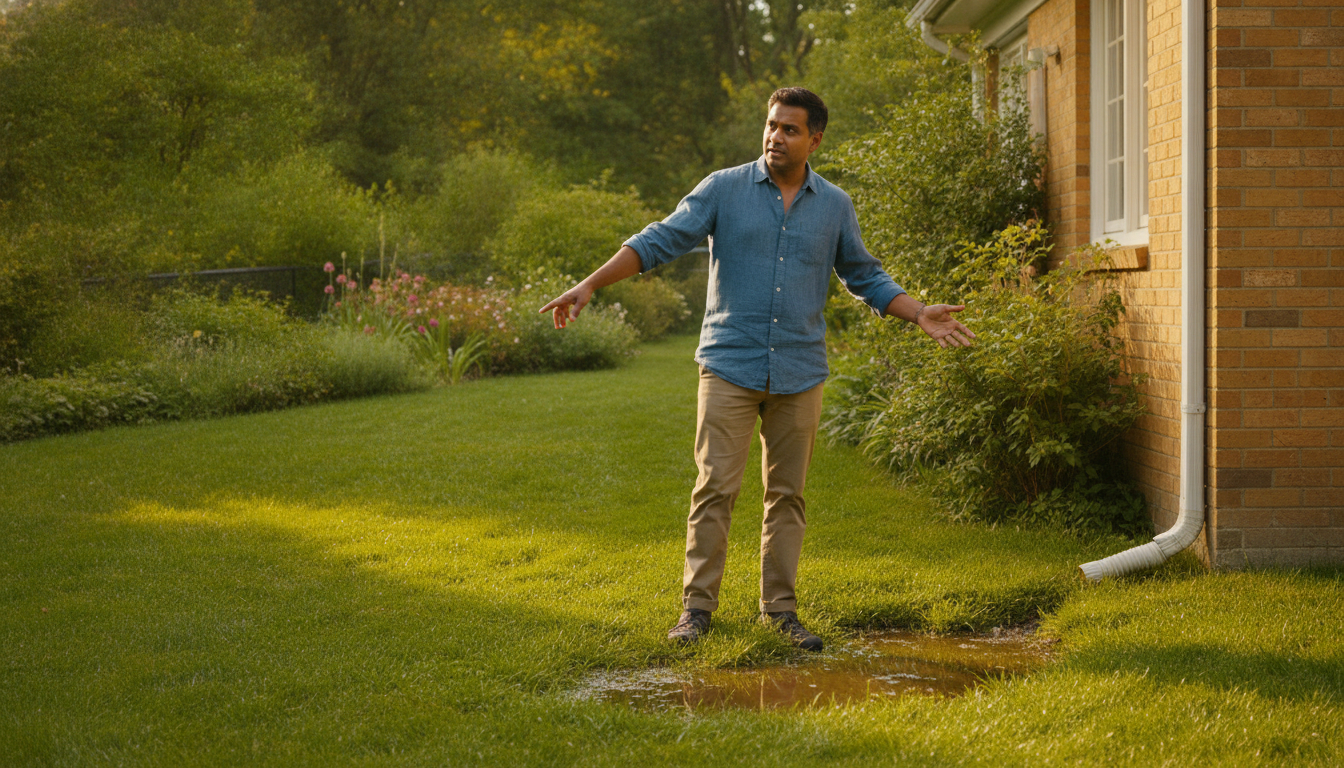
Site conditions and drainage. A flat, accessible yard with good drainage is the least expensive scenario. A sloped yard, poor existing drainage, or a site the crew cannot reach with equipment all add labor. If your yard pools water, the grading and slope work to move it away from your foundation is a legitimate line item, not padding. For lots that pool water, the EPA’s overview of permeable pavement shows how porous surfaces can carry stormwater away from the house, a design choice that affects the bid.
Size and shape. Larger patios cost more in total but often less per square foot because setup and mobilization are spread across more area. Curves, multiple levels, and built-in features like seat walls or fire pits raise both material and labor.
Region and season. Labor rates vary widely by metro area. Demand also peaks in spring and early summer, so booking in late fall or winter can shave cost in many markets.
Cost ranges by material and scope
| Scope | Typical Range | Notes |
|---|---|---|
| Poured concrete, 300 sq ft | $2,400 – $4,500 | Lowest cost; control joints needed to limit cracking |
| Stamped concrete, 300 sq ft | $3,600 – $6,000 | Decorative; periodic resealing required |
| Concrete pavers, 300 sq ft | $4,200 – $7,200 | Flexes with frost; single units are replaceable |
| Brick, 300 sq ft | $4,500 – $7,500 | Labor-intensive; classic appearance |
| Natural flagstone, 300 sq ft | $6,000 – $10,500 | Premium; irregular pieces raise labor |
| Base prep upgrade (per sq ft) | $2 – $4 | Six-inch compacted gravel base vs. sand-set |
| Seat wall or fire pit add-on | $1,500 – $5,000+ | Priced separately from the patio surface |
Your estimate may vary based on your region, local labor rates, materials grade, and project urgency. A 300-square-foot paver patio in the Southeast often runs 15 to 20 percent below the national average; the same job in the Northeast or Pacific Northwest can run 10 to 25 percent above. If a quote lands well outside these ranges in either direction, ask the contractor to walk you through the line items before you assume it is a deal or a rip-off.
How to compare patio quotes
Compare scope first, total price second. A complete patio quote names the square footage, the material and quantity, the base depth and compaction method, the drainage and slope plan, the edge restraint and joint material, and the labor. A quote that reads “350 sq ft paver patio – $5,000” with nothing else cannot be compared to a detailed one.
When you have three quotes, normalize them. If one includes a six-inch compacted base and proper slope and another is silent on both, add an estimated base and grading cost to the silent one before you compare totals. What looks like a $1,500 gap often disappears, or reverses, once the missing work is priced in. Follow the FTC’s basic rules for avoiding home improvement scams while you are at it: never pay in full up front, and hold the final payment until the work is done.
The lowest bid deserves the most scrutiny. Underbidding in hardscaping almost always means a shallower base, no drainage plan, or no edge restraint, and those omissions surface as sinking, pooling, and spreading pavers after the first or second winter. Ask the low bidder directly what their base depth is and how they handle drainage; the answer tells you whether the savings are real or borrowed against future repairs.
Hire a pro vs. DIY
A small, flat gravel or paver patio under about 100 square feet is within reach for a determined homeowner with a rented plate compactor and a free weekend. The work is real but the failure cost is low.
Anything larger, anything requiring grading or drainage correction, and any poured-concrete or flagstone patio is a job for a pro. Concrete is unforgiving once poured, drainage mistakes send water toward your foundation, and a base that is not compacted correctly across a large area will heave no matter how good the pavers look on day one. For most homeowners the line is simple: if the patio is big enough to matter or the yard needs grading, hire it out. When you are ready, the questions that separate a solid bid from a risky one come down to base depth, drainage, and edge restraint, so ask every contractor about all three. If you are squaring away the rest of the yard at the same time, our guide to hiring a fence installer walks through the same vetting steps for that trade.
Ready to compare local patio installation quotes? Find a vetted patio contractor near you via Thumbtack and get free, itemized quotes from background-checked pros.
FAQ
How much does a patio cost per square foot in 2026?
Most installed patios run $10 to $25 per square foot, with the material as the main driver. Poured concrete sits at the low end around $8 to $15, pavers and brick in the middle at $14 to $25, and natural flagstone at the top from $20 to $35. Base preparation and site conditions can move any of these figures, which is why a per-square-foot number is only a starting point.
Why are my patio quotes so different for the same size?
Almost always because of what is below the surface. The cheapest quote typically skips a compacted gravel base, a drainage and slope plan, or edge restraint, none of which are visible once the patio is finished. A higher quote that includes all three is buying a patio that lasts decades, not one that heaves in a few winters. Normalize the quotes to the same scope before comparing.
Is a paver patio worth the extra cost over concrete?
For many homeowners, yes. Pavers cost more upfront but flex with frost heave instead of cracking, and a single damaged unit can be lifted and replaced without redoing the whole surface. Poured concrete is cheaper and faster but cracks over time and is hard to repair invisibly. In freeze-thaw climates the durability gap is widest.
Does a patio add value to my home?
A well-built patio can return a meaningful portion of its cost at resale and expands usable outdoor living space, which buyers notice. The return depends on quality, materials, and how the patio fits the home and yard. A cracked or sinking patio from a cut-rate install does the opposite, which is one more reason base prep and drainage are worth paying for.