Hire a Roofing Contractor Near You
6 min read · Last updated June 29, 2026
- A full asphalt shingle roof replacement runs roughly $5.50 to $9 per square foot installed, putting most single-family homes between $9,000 and $22,000 depending on size, pitch, and material.
- The “we will waive your insurance deductible” pitch is illegal in most states and a reliable sign of a contractor you should not hire.
- Verify general liability and workers’ compensation insurance before anyone gets on your roof; an uninsured fall on your property can become your financial problem.
- Insist on a written, line-item estimate that specifies tear-off versus overlay, underlayment, ice-and-water shield, and flashing replacement, not just a single roof price.
In this article
- Get your roof situation documented first
- Questions every roofer should answer
- Storm chasers and other red flags
- Reading a roofing estimate
- FAQ
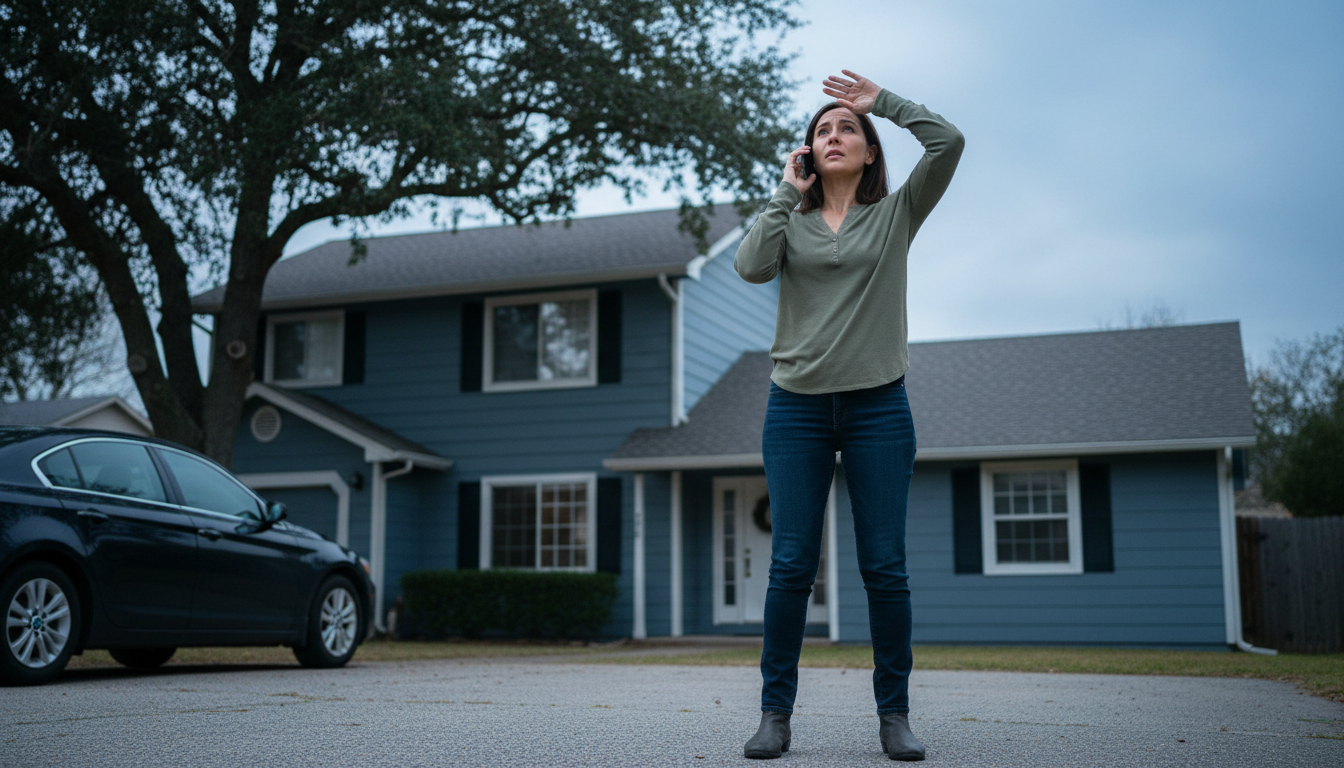
After a hailstorm rolled through Oklahoma City, a roofer knocked on Layla’s door within 48 hours, pointed at her roof, and offered to start the next morning and “take care of the deductible” so the repair would cost her nothing out of pocket. The pitch sounded like a favor. It was a warning sign. Waiving an insurance deductible is insurance fraud in most states, and contractors who lead with it are the same ones who collect a deposit and vanish, or do work that fails the next inspection. Layla closed the door, called two local roofers with verifiable addresses, and got real estimates instead.
Get your roof situation documented first
Before you call anyone, gather what you know. Note the approximate age of the roof and the material, usually asphalt shingle but sometimes metal, tile, or wood shake. Take photos of any visible problem from the ground: missing shingles, sagging sections, granules in the gutters, or water stains on interior ceilings. If a storm caused the damage, photograph it before any repair so you have a record for an insurance claim.
Roofers price work in “squares,” where one square equals 100 square feet. You do not need to measure it yourself, but knowing your roof is roughly 20 to 30 squares helps you sanity-check a bid. Steep pitch, multiple valleys, dormers, and chimneys all add labor and cost, so note them.
If you are filing an insurance claim, understand the sequence: your insurer sends an adjuster, the adjuster writes a scope, and your contractor’s estimate should align with that scope. A contractor who tells you to sign a contract before the adjuster has even visited is putting themselves ahead of your claim. The National Association of Insurance Commissioners, in its consumer alert on contractor fraud, warns that a contractor offering to waive or absorb your deductible is a fraud signal, not a discount.
Questions every roofer should answer
Ask the same questions of every contractor and compare the answers.
Are you licensed and insured in this state? Get the license number and verify it with your state board. Ask for a certificate of insurance showing both general liability and workers’ compensation, and confirm the coverage is current. Roofing has one of the highest job-site injury rates of any trade, which makes workers’ comp non-negotiable.
Are you tearing off the old roof or going over it? A full tear-off lets the crew inspect the decking and start clean. An overlay, adding a second layer over the old shingles, is cheaper but hides problems and shortens the new roof’s life. Many manufacturer warranties are void on overlays. Ask which you are getting and why.
What underlayment, ice-and-water shield, and flashing are included? These are the components that actually keep water out. A complete estimate names the underlayment type, includes ice-and-water shield in valleys and along eaves where code requires it, and specifies new flashing around chimneys and valleys rather than reusing the old.
What warranties apply? There are two: the manufacturer’s warranty on the shingles and the contractor’s workmanship warranty on the installation. Ask for both in writing, and ask whether the contractor holds a manufacturer certification, which can extend coverage.
Who does the work, and will you pull the permit? Confirm whether the crew is employees or subcontractors and that subs are insured. A licensed roofer pulls the required permit; a contractor who asks you to pull it yourself is dodging accountability.
Storm chasers and other red flags
The door-knock after a storm is the classic one, but it is not the only red flag. Watch for any contractor who pressures you to sign immediately, offers to waive or absorb your insurance deductible, or asks for a large cash deposit before materials are even ordered. The FTC’s guidance on dealing with weather emergencies is explicit that scammers follow storms and push homeowners to sign on the spot.
A roofer without a verifiable local address and phone number is a roofer you cannot find when a leak appears two years later. Out-of-area license plates and a brand-new company name with no local reviews are worth a second look after a regional storm.
Be wary of a quote that only offers an overlay when your roof clearly needs a tear-off, or one that omits flashing, underlayment, and decking inspection entirely. Those omissions are how a suspiciously low bid gets that way. And never let a contractor begin work before the written contract specifies scope, materials, total price, payment schedule, and start and completion dates.
Reading a roofing estimate

A complete roofing estimate is itemized, not a single lump sum. It should list the number of squares, the shingle brand and line, tear-off or overlay, decking inspection and any plywood replacement rate, underlayment, ice-and-water shield, flashing, ridge venting, cleanup and dumpster, permit, and both warranties.
| Scope | Typical Range | Notes |
|---|---|---|
| Asphalt shingle, ~20 squares, simple roof | $9,000 – $14,000 | Single story, low pitch, full tear-off |
| Asphalt shingle, ~30 squares, complex roof | $15,000 – $22,000 | Steep pitch, valleys, dormers add labor |
| Architectural shingle upgrade | +$1 – $3 per sq ft | Thicker, longer-rated than 3-tab |
| Metal roof | $10 – $16 per sq ft | Higher upfront; 40-70 year lifespan |
| Decking replacement (per sheet) | $70 – $120 | Only if rotted decking is found at tear-off |
| Targeted repair (small leak, few shingles) | $400 – $1,800 | Far below full replacement |
When you have three itemized estimates, normalize them before comparing totals. If one includes new flashing and ice-and-water shield and another does not, the lower number is not actually cheaper, it is doing less.
Once your roof work is scheduled, coordinate the timing with any gutter installation so you are not paying to detach and reattach gutters twice. And if a long-running leak has already caused interior damage, our guide to hiring a mold remediation specialist covers the next step.
Ready to compare local roofing contractor quotes? Find a vetted roofing contractor near you via Thumbtack and get free quotes from background-checked pros.
FAQ
How long does a roof replacement take?
Most single-family asphalt shingle roofs are torn off and replaced in one to three days, weather permitting. A large or complex roof with multiple valleys and steep pitch can run longer, and metal or tile roofs take more time than asphalt. Ask for the expected number of working days and what happens if rain interrupts the job mid-tear-off.
Should I get a repair or a full replacement?
That depends on the roof’s age and the extent of the damage, and a reputable contractor will tell you honestly which makes sense. A localized leak on a roof with years of life left is a repair; widespread granule loss, multiple leaks, or a roof near the end of its rated life points to replacement. Get the contractor to show you the evidence either way rather than taking the recommendation on faith.
What is the difference between a manufacturer warranty and a workmanship warranty?
The manufacturer warranty covers defects in the shingles themselves and is set by the brand. The workmanship warranty covers installation errors and is backed by the contractor, typically running two to ten years. A leak from a bad install is a workmanship issue, which is why you want that warranty in writing and the contractor still in business to honor it.
Is the lowest roofing bid ever the right choice?
Sometimes, but only after you confirm it includes the same scope as the others. The lowest bid is frequently low because it specifies an overlay instead of a tear-off, skips new flashing, or omits the decking inspection. Normalize all three bids to the same scope first, then the lowest qualified bid is fair game.