Hire a Bathroom Remodeler Near You
6 min read · Last updated July 6, 2026
- A midrange bathroom remodel commonly runs $10,000 to $25,000; a small powder-room refresh can come in under $5,000, while a large primary bath with moved plumbing can exceed $40,000.
- Waterproofing behind the shower tile is the line item that decides whether the remodel lasts, and it is exactly what a cut-rate bid leaves out.
- Verify general liability insurance, workers’ compensation, and your state contractor license before demo, and confirm plumbing and electrical work is done by licensed subs.
- Get at least three written, line-item bids; a bid that never mentions the waterproofing method or the subfloor is doing less, not costing less.
In this article
– What to sort out before you call – The questions that expose a bathroom bid – Red flags in a bathroom remodel – What a bathroom remodel should cost – FAQ
Priya got three bids to remodel the hall bathroom in her 1970s ranch in Columbus. The numbers came back at $6,200, $11,500, and $16,000 for the same footprint. The cheapest bid tiled the shower directly over standard drywall with no waterproofing membrane, said nothing about the soft spot she had felt near the tub, and quoted a two-day turnaround. The middle bid specified a waterproof backer board and membrane system, replacement of the water-damaged subfloor, and new shutoff valves. Once Priya understood that the low bid was tiling over a problem instead of fixing it, the $5,300 gap between the two real options was easy to justify.
What to sort out before you call
Decide the scope before you dial, because a bathroom has two very different jobs hiding under one word. A cosmetic update, meaning new vanity, fixtures, paint, and maybe re-tiling in the existing layout, is far simpler than a remodel that moves the toilet, relocates plumbing, or converts a tub to a curbless shower. Moving fixtures means opening walls and floors, pulling in a licensed plumber, and usually a permit. If you are choosing new fixtures, the EPA’s WaterSense program labels faucets, showerheads, and toilets that cut water use without sacrificing performance.
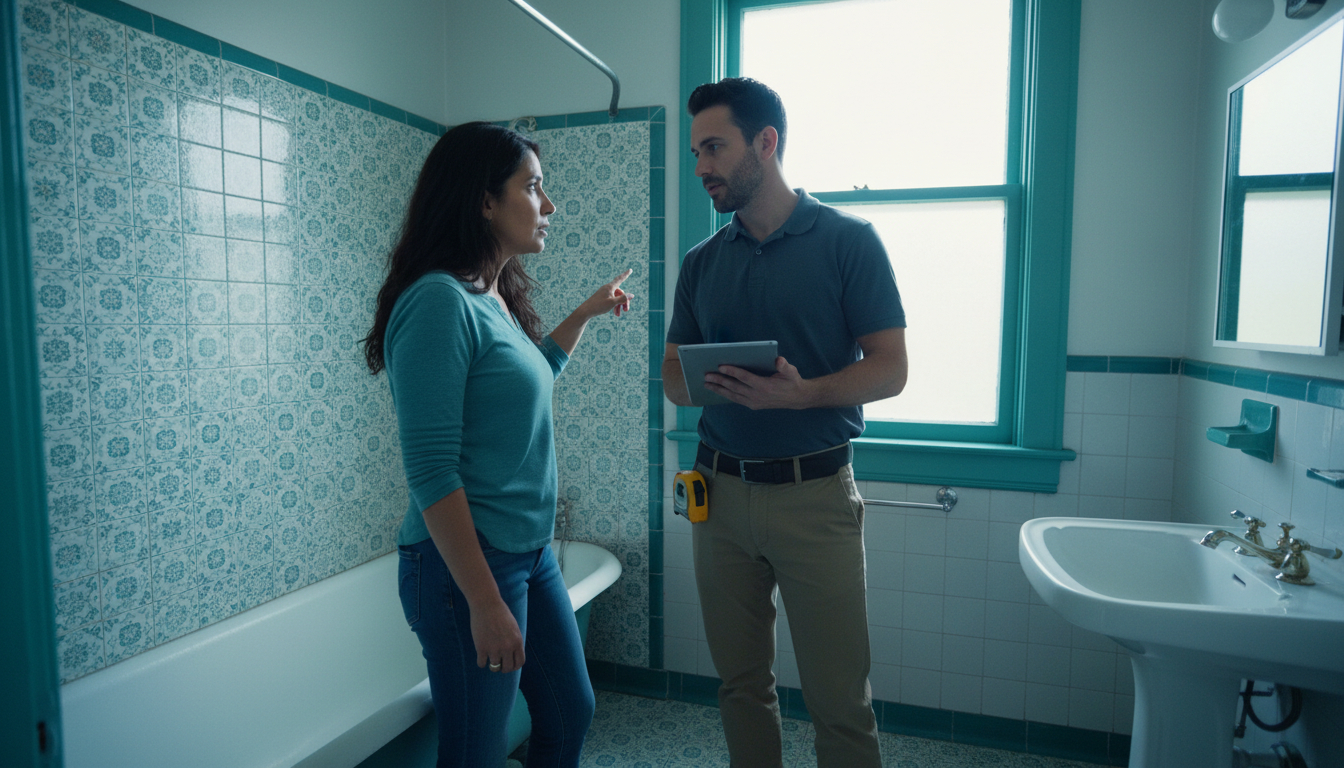
Walk the room and note anything that hints at hidden damage: a spongy floor near the tub or toilet, peeling paint or mildew on the ceiling, or a musty smell. Water damage behind the tile or under the floor is the most common surprise in a bathroom remodel, and flagging it on the first call gets you honest bids instead of ones that ignore it.
Confirm two practical things: whether you have a working shutoff for the bathroom and what your local permit rules are. Plumbing and electrical changes in a bathroom, including adding an exhaust fan or a GFCI circuit, typically require permits. A contractor who dismisses the permit is telling you how they work.
The questions that expose a bathroom bid
Ask every contractor the same questions and compare the answers, not just the totals.
Are you licensed and insured in this state? Get the license number and verify it with your state board. You want general liability of at least $500,000 and a current certificate of insurance, plus workers’ compensation for any crew. Bathrooms combine water and electricity, which makes proper insurance non-negotiable. The FTC’s guidance on avoiding home improvement scams is worth following: confirm the license with your state or county and never pay in full up front.
How will you waterproof the shower or tub surround? This is the question that separates a real bathroom pro from a tile setter. A good answer names a system: a waterproof backer board with a liquid or sheet membrane, or a proprietary foam board system, sealed at the seams and corners. “We tile over green board” is the answer that leads to a leak inside two years.
Who handles the plumbing and electrical, and are they licensed? Moving a drain, adding a fan, or wiring a heated floor calls for licensed trades and pulled permits. Confirm the subs by license number rather than taking “we handle everything” at face value.
What happens if you find water damage or rot? Bathrooms hide surprises. Ask how they price subfloor replacement or hidden rot so a discovery mid-project does not become an open-ended charge. A written change-order process with unit pricing is what you want to hear.
What does the workmanship warranty cover, and will you pull permits? A workmanship warranty of one to two years is reasonable, and a licensed remodeler pulls the required permits. Ask for the warranty in writing and confirm who honors it.
Insist on a written, line-item estimate: demo, waterproofing method, subfloor and repairs, plumbing, electrical, tile and materials, fixtures, ventilation, and labor. A bid that reads “bathroom remodel – $9,000” tells you nothing about whether the shower will actually stay dry.
Red flags in a bathroom remodel
A bid that is silent on waterproofing is the biggest one. Tiling directly over drywall or standard green board is the single most common corner cut in bathrooms, and it is invisible until the leak reaches the room below. If two bids name a membrane system and one says nothing, that silence is the whole story.
A firm price quoted before anyone has looked behind the tile or under the floor is a guess, not an estimate, especially in an older home where hidden damage is likely. A two-day turnaround on a full remodel is another warning sign; proper waterproofing needs cure time before tile goes on.
Watch the money terms too. A deposit of 10 to 30 percent with milestone payments is standard; a large upfront demand, cash-only pricing, or a contractor with no verifiable address are all reasons to walk. Match the crew and schedule to the scope, and never let work start before the contract specifies the waterproofing system, the scope, the total, the payment schedule, and the dates.
What a bathroom remodel should cost
You do not need an exact figure to catch an outlier, just the right range. Bathroom remodels fall into tiers based on scope and whether plumbing moves.
| Scope | Typical Range | Notes |
|---|---|---|
| Powder-room / cosmetic refresh | $3,000 – $7,000 | Vanity, fixtures, paint, minor tile; layout untouched |
| Midrange full remodel | $10,000 – $25,000 | New tile, tub or shower, vanity, same footprint |
| Large / primary bath (moved plumbing) | $25,000 – $45,000+ | Layout change, curbless shower, relocated fixtures |
| Waterproofing system (share of tile work) | $1,000 – $3,000 | Membrane or backer system behind wet-area tile |
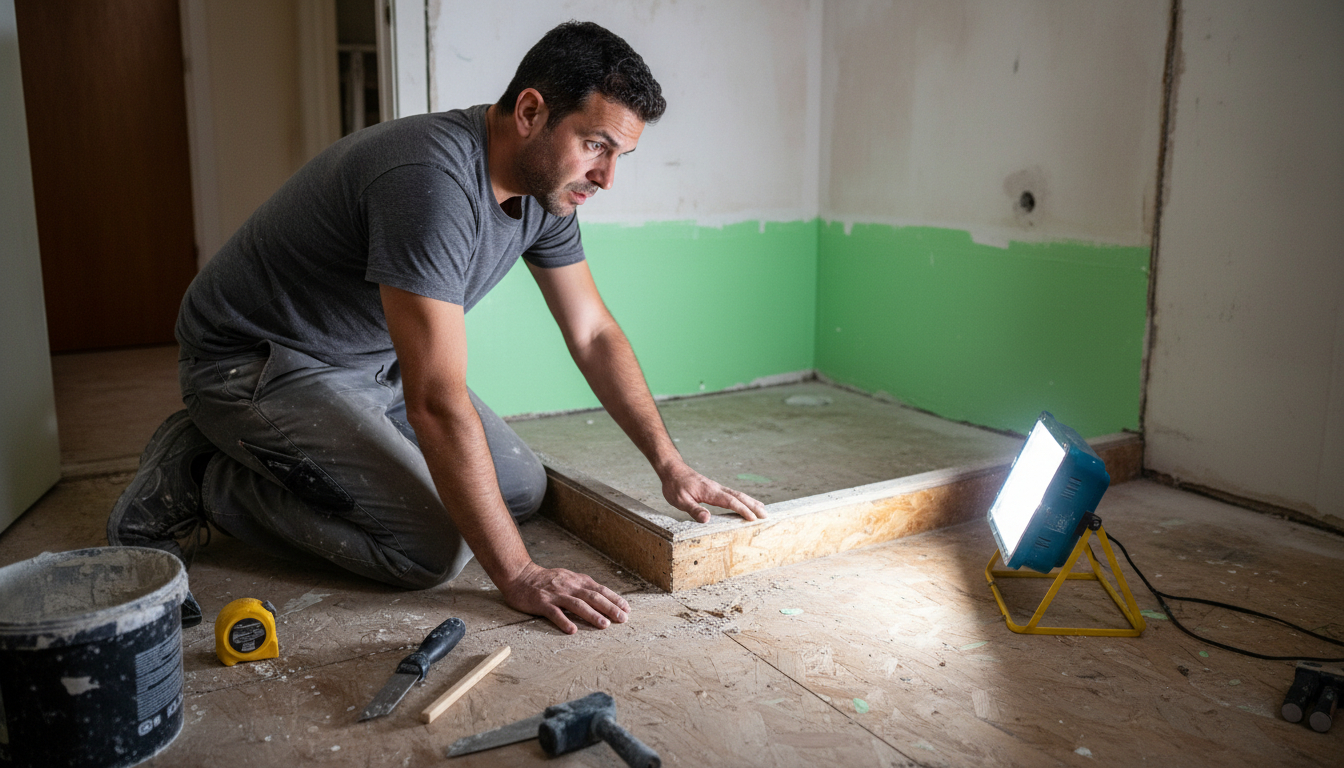
| Subfloor / rot repair | $500 – $3,000 | Only if damage is found once tile and floor come up |
Your estimate may vary with your region, fixture grade, and whatever the crew finds once the walls open up. A midrange bath in a lower-cost market can run 15 to 20 percent below these figures; the same job in a high-cost metro can run 10 to 25 percent above. If a bid lands well outside the range, ask the contractor to walk you through the waterproofing and subfloor lines before you assume it is a deal.
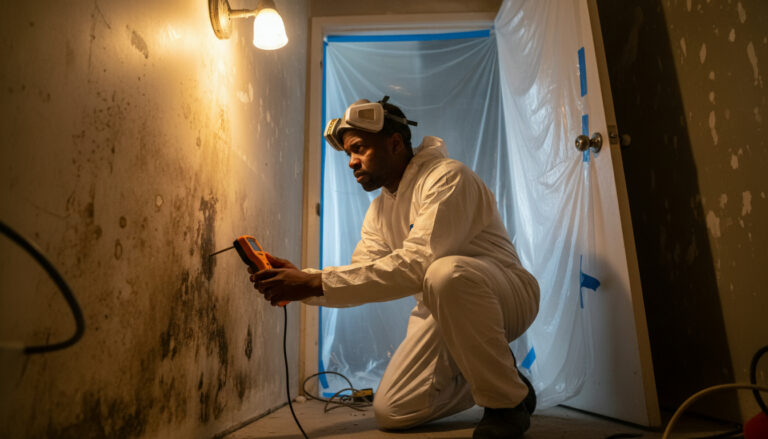
Because bathrooms are the room most prone to hidden moisture, coordinate related work. If you already smell mildew or found a soft floor, our guide to hiring a mold remediation specialist covers testing and remediation before new tile goes down, and our guide to hiring a flooring installer walks through the same vetting steps if the remodel runs into the adjoining rooms.
Ready to compare local bathroom remodeler quotes? Find a vetted bathroom remodeler near you via Thumbtack and get free, itemized quotes from background-checked pros.
FAQ
How long does a bathroom remodel take?
A cosmetic refresh can be done in a few days, while a full midrange remodel typically runs two to four weeks once demo starts. Proper waterproofing needs cure time before tile, and moved plumbing or hidden rot can add days. Be skeptical of any full remodel promised in two days, because that timeline usually means the waterproofing step got skipped.
Do I need a permit for a bathroom remodel?
Usually, if the work touches plumbing, electrical, or ventilation. Swapping a vanity and fixtures in place often does not require one, but relocating a drain, adding an exhaust fan, or wiring a heated floor typically does. A licensed remodeler knows your local rules and includes permit costs in the bid; skipping the permit is a red flag.
How is a shower supposed to be waterproofed?
Behind the tile there should be a dedicated waterproofing layer, not just drywall. That means a cement or foam backer board with a liquid or sheet membrane, or a proprietary waterproof board system, with the seams and corners sealed. Tile itself is not waterproof; the grout lets moisture through, which is why the membrane behind it does the real work.
How many quotes should I get for a bathroom remodel?
Three is the right floor. Three line-item bids let you spot the contractor who is tiling over a problem instead of fixing it, which is the most common and most expensive corner cut in bathrooms. If one bid is far below the others, ask specifically about the waterproofing system and subfloor before assuming it is a better price.