Mold Remediation Cost Guide 2026
6 min read · Last updated June 04, 2026
In this article
Paul noticed a musty smell in his finished basement three weeks after a slow pipe leak was repaired. The first company he called – which also offered mold inspection – came back with a $4,200 quote for what they called “extensive mold colonization” in two wall cavities. Paul got a second opinion from an independent industrial hygienist, who identified about 12 square feet of surface mold in a single wall cavity and quoted remediation at $1,650 from a separate contractor. The same two rooms. An $2,550 gap driven entirely by the first company’s conflict of interest. Paul’s total with the independent inspection: $450 for the hygienist plus $1,650 for remediation. Total: $2,100.
What drives mold remediation cost
Affected square footage and surface type. Surface mold on drywall is cheaper than mold that has penetrated studs, subfloor, or insulation. Porous materials like drywall and insulation typically require removal and replacement; wood studs can sometimes be cleaned and treated if penetration is shallow. A quote that lumps all affected areas into one number without distinguishing surface from structural is not evaluable.
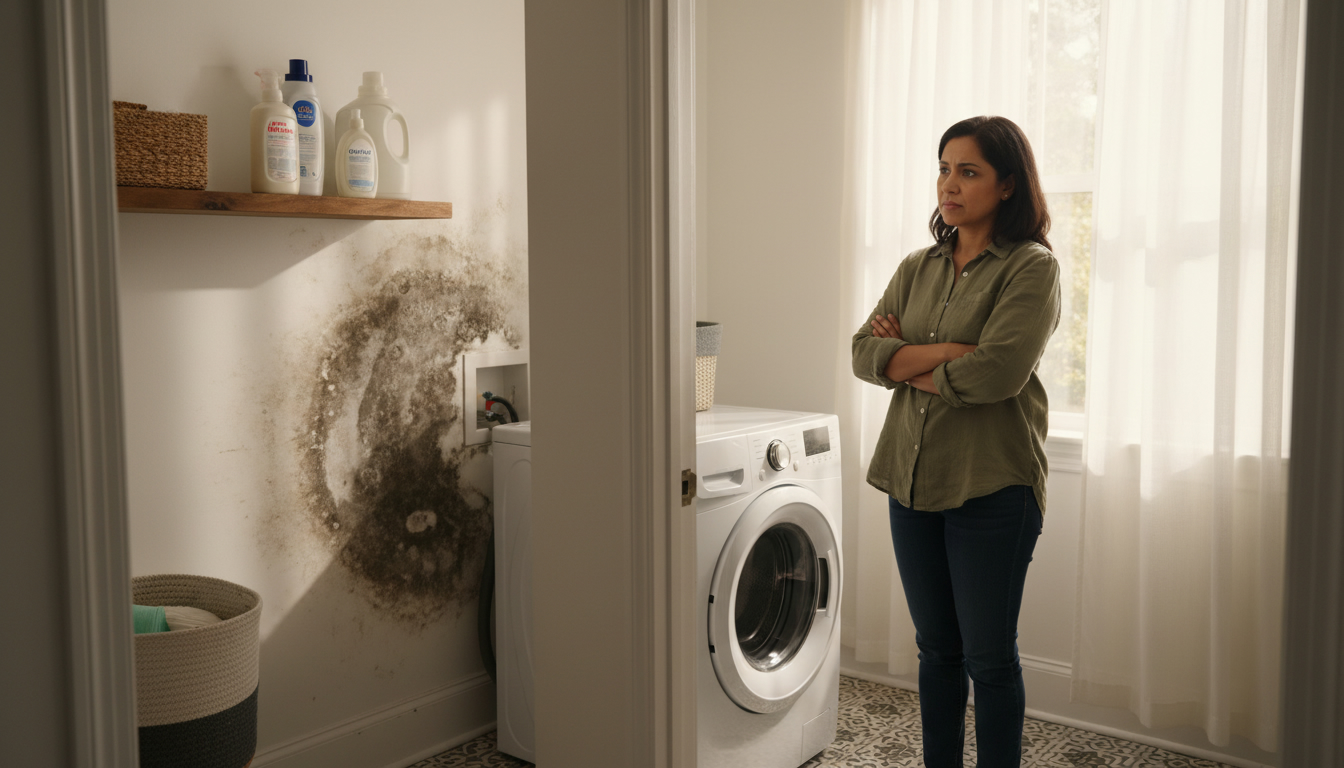
Location in the home. Crawlspace and attic mold require specialized access, full containment, and ventilation correction – expensive. Bathroom or laundry room surface mold is accessible and containable in a small area – the least expensive scenario. HVAC mold requires a duct cleaning specialist, not a standard remediator.
Containment requirements. Professional remediation seals the affected area with plastic sheeting, runs negative air pressure to prevent spores from spreading, and uses HEPA filtration. A quote that does not describe containment methodology is not following EPA N-26 guidelines.
Cause correction. Remediation without fixing the moisture source is wasted money. A professional will identify the source and either correct it or scope it out of contract and refer you. If a quote ignores source correction entirely, ask why.
Post-remediation clearance testing. After remediation, an independent industrial hygienist collects air and surface samples to confirm spore counts returned to normal. This costs $200 to $500 and must be done by someone independent of the remediation contractor.
Cost ranges by scope
| Scope | Typical Range | Notes |
|---|---|---|
| Single bathroom (surface mold only) | $500 – $1,200 | Limited containment; drywall replacement if penetrated |
| Basement (1-2 wall cavities) | $1,200 – $2,500 | Higher if studs are affected |
| Crawlspace full remediation | $1,500 – $4,000 | Insulation removal, encapsulation often required |
| Attic mold (joists and decking) | $1,500 – $5,000 | Roof leak source correction usually a separate cost |
| Multi-room (3+ affected areas) | $3,000 – $6,000+ | Large containment zones; structural material replacement |
| HVAC system mold | $1,000 – $4,000 | Requires duct cleaning specialist, not standard remediator |
| Independent mold inspection (pre-remediation) | $300 – $600 | Industrial hygienist, air + surface samples |
| Post-remediation clearance test | $200 – $500 | Must be done by party independent of remediator |
Your estimate may vary based on region and project urgency. The Southeast typically runs at or below these ranges; the Northeast and Pacific Northwest run 10 to 20 percent higher. A pending real estate transaction can add a 15 to 30 percent premium as companies price the time pressure.
How to compare quotes
Compare methodology first, total price second. Every legitimate mold remediation quote must include: scope by room and surface type, containment plan, negative air pressure and HEPA filtration, specific removal methods per material type, debris disposal documentation, source correction (or an explicit out-of-scope statement), and whether post-remediation testing is included.
A quote that reads “mold remediation, 2 rooms, $3,400” with nothing else is not a professional quote. Ask for a scope of work document. Any company that refuses to provide line-item detail should not be on your list.
Ask every company: “Do you follow EPA N-26 guidelines?” A company that does not know what N-26 is has not been trained to the professional standard.
The lowest bid deserves the most scrutiny. Underbidding in this trade almost always means cutting corners on containment, using household-grade antifungal treatments, skipping clearance testing, or planning to expand scope mid-job. Ask the low bidder to explain what is different about their process.

Hire vs. DIY
Surface mold patches under 10 square feet on non-porous surfaces – tile grout, painted concrete – are within DIY range with commercial antifungal spray and an N95 respirator minimum. The EPA places the 10-square-foot threshold as the practical DIY limit.
Anything larger, anything involving porous materials like drywall or insulation, any mold in a crawlspace or attic, and any mold from a sewage or black water leak requires a licensed contractor. The risk is not just exposure during the work – it is disturbing a colony and spreading spores through the HVAC system without proper containment. See our guide on how to hire a mold remediation specialist for what to check before signing a contract.
Ready to compare local mold remediation quotes? Find a vetted mold remediation specialist near you via Thumbtack and get free quotes from background-checked pros.
FAQ
Does homeowner’s insurance cover mold remediation?
It depends on the cause. A burst pipe or storm-driven roof leak may be covered up to your policy limits. Gradual moisture buildup, deferred maintenance, or flooding (which requires a separate flood policy) is typically excluded. Contact your insurer before any work begins and document the moisture source with photos.
How do I know if a mold remediation company is certified?
Look for IICRC certification – the primary industry credentialing body. The mold-specific credential is AMRT (Applied Microbial Remediation Technician), verifiable at iicrc.org. Some states also require state-issued contractor licenses for mold work – check your state contractor board for what applies in your jurisdiction.
How long does mold remediation take?
A single bathroom takes one to two days. A multi-room job with structural material removal takes three to five days. Crawlspace and attic remediation varies widely by access and scope. Ask every contractor for a start date and expected completion – not a range.
What causes mold to return after remediation?
Almost always: the moisture source was not corrected. Mold spores exist in every home at background levels. Remediation removes the active colony; source correction prevents it from re-establishing. If mold returned within six to eighteen months, the vapor barrier issue, ventilation gap, slow plumbing leak, or drainage grading problem was not addressed.