Hire a Garage Door Installer: What Springs, Openers, and a New Door Actually Cost
6 min read · Last updated September 28, 2026
- Professional torsion spring replacement runs $327-$576 per spring, and a full opener swap runs $469-$786, both per Homewyse’s September 2026 data.
- A full garage door replacement runs $1,005-$1,631 per door, so replacing both a worn spring and an aging opener can approach the cost of a new door.
- Torsion springs store enough tension to cause serious injury if handled wrong, and should only be replaced by a trained technician, per the Door and Access Systems Manufacturers Association (DASMA), the door industry’s own trade group.
- Homes in hurricane-prone or high-wind areas need a pressure-rated garage door under the Insurance Institute for Business & Home Safety’s (IBHS) FORTIFIED Home standard, not just a heavier-looking one.
A snapped torsion spring costs $327-$576 to replace properly, and DASMA, the garage door industry’s own trade group, says it should never be a do-it-yourself (DIY) swap because of the stored spring tension.
In this article
- What springs, openers, and a new door actually cost
- Torsion springs, openers, and the work that belongs to a pro
- Verifying license and insurance before anyone touches your door
- What to ask about wind-rated doors
- Frequently asked questions
Renee Castillo’s garage door stopped opening on a Saturday morning in Sacramento. When she looked underneath, one of the two torsion springs had snapped clean in half. A neighbor offered to swap it out himself for the cost of a $40 replacement spring, and Renee almost said yes before she looked up what that spring is actually holding.
What springs, openers, and a new door actually cost
These are September 2026 national averages, each from its own Homewyse estimator: spring replacement, opener replacement, and full door replacement. A full breakdown by material and size is in the site’s garage door replacement cost guide.
| Repair scope | Typical cost | Notes |
|---|---|---|
| Torsion spring replacement | $327 – $576 | Per spring; both springs are usually replaced together even if only one broke |
| Opener replacement | $469 – $786 | Mid-range chain-drive opener, parts and labor |
| Full door replacement | $1,005 – $1,631 | Per door, standard steel roll-up, 4-panel |
The math worth bringing to an installer: a spring replacement at $327-$576 plus an opener replacement at $469-$786 comes to $796-$1,362 combined ($327 + $469 = $796 at the low end, $576 + $786 = $1,362 at the high end), against $1,005-$1,631 for a full door. Ask any installer to walk you through both numbers side by side before you commit to either job, since only someone who has actually inspected the door, the track, and the panels can tell you which path fits your specific door.
A door that only needs a spring, with a sound opener and undamaged panels, is a straightforward single-part job. A door needing both a spring and an opener, especially one already showing rust, dented panels, or warping, is a bigger conversation, and it’s worth asking the installer to quote a repair path and a replacement path side by side so you’re comparing real numbers from someone who has seen the door, not a national average.
Torsion springs, openers, and the work that belongs to a pro
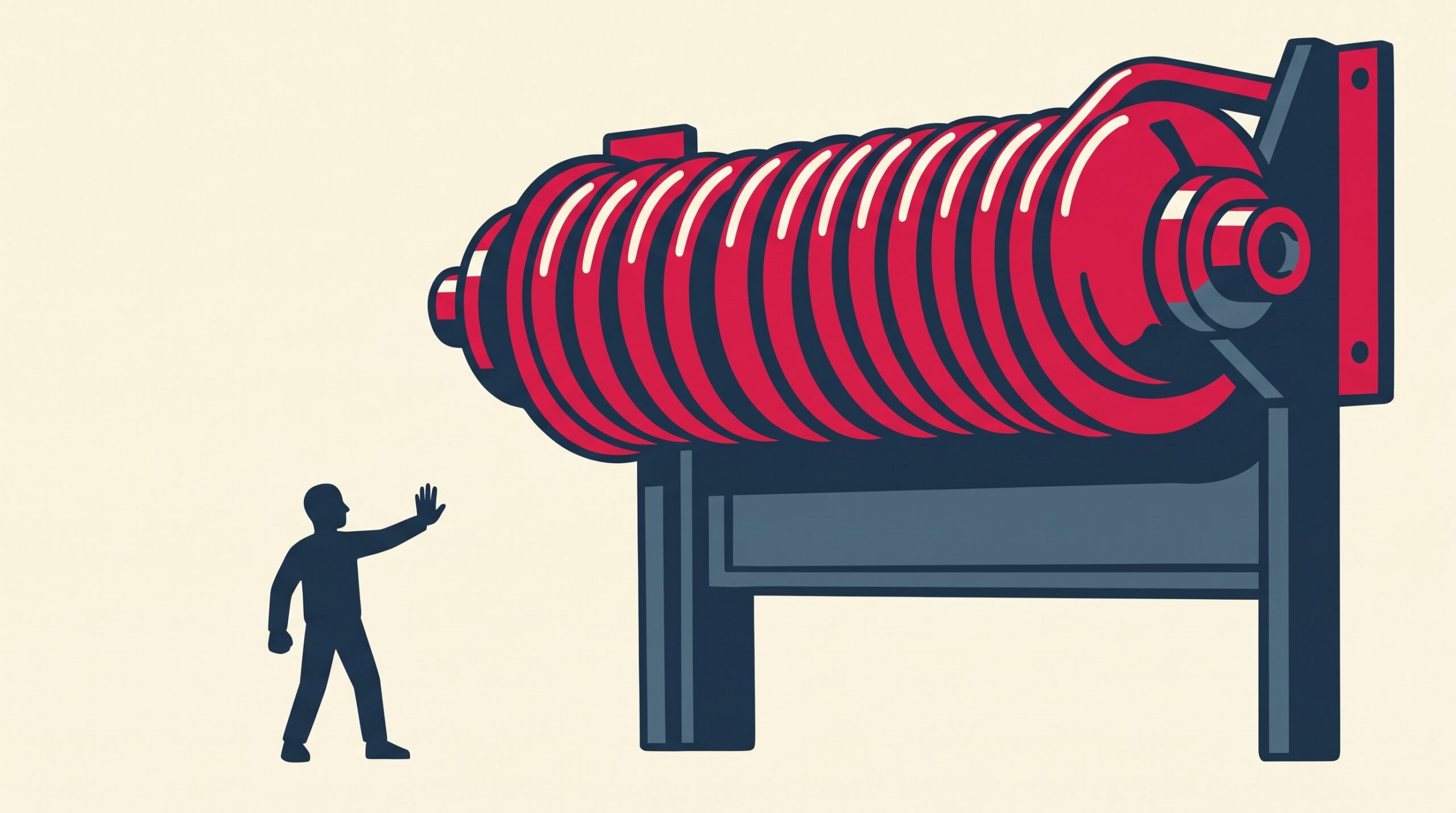
DASMA, the Door and Access Systems Manufacturers Association, is blunt about this specific part: a garage door’s springs are arguably the most important and most dangerous part of the door, and when they break, injury can result. Releasing that stored spring tension in an uncontrolled way, the exact risk of an amateur spring swap, is where garage door injuries happen. DASMA specifically recommends replacing both springs together, even when only one has broken, and says the cables connecting the spring system to the door should be replaced only by a trained technician due to the danger of high spring tension.
An opener swap carries none of that stored-energy risk and is a more reasonable weekend do-it-yourself (DIY) project for a confident homeowner, but a spring is not the place to save the installer’s fee.
Verifying license and insurance before anyone touches your door
Garage door installers are licensed as contractors in most states rather than under a trade-specific board, so the check runs through your state’s general contractor license lookup rather than a door-specific registry. Ask for the license number, verify it against your state’s board, and separately confirm liability insurance, since a spring under tension that gets away from an installer can damage a vehicle, a wall, or a person, and you want that risk covered by their policy, not yours. How to Verify a Contractor’s License in Under Ten Minutes covers the lookup process state by state.
Get at least three quotes before committing to either a repair or a replacement, and ask each installer directly whether they’ve done spring work specifically, not just general door installation. The lowest bid on a spring job is not the one to default to if it comes from someone vague about their spring experience.
What to ask about wind-rated doors
In hurricane-prone regions, a garage door is often the largest opening in a home’s exterior wall, and garage door failures resulting in major roof or structural damage are consistently observed in post-disaster field investigations, according to the Insurance Institute for Business & Home Safety’s (IBHS) FORTIFIED Home technical bulletin on garage doors. The fix is a pressure-rated door, tested to resist specific wind loads for the home’s exposure category and design wind speed, not simply a heavier-looking door, per the Department of Energy’s Building America Solution Center. The same IBHS FORTIFIED Home standard requires pressure-rated garage doors as part of its High Wind designation. In windborne debris regions, the International Residential Code separately requires any glass panels in the door to carry their own impact rating or a separate protective covering, per the Department of Energy’s Building America Solution Center. If you’re in a coastal or high-wind zone, ask any installer for the door’s specific pressure rating before you sign, not just its general wind resistance.
Frequently asked questions
Can I replace a garage door spring myself? DASMA, the garage door industry’s manufacturers association, recommends against it. A torsion spring stores enough tension to cause serious injury if it releases in an uncontrolled way. Opener replacement is a more reasonable DIY project; spring work is not.
How much does it cost to replace a garage door spring? $327-$576 per spring as of September 2026, per Homewyse, and both springs are typically replaced together even if only one has broken, to avoid a second failure shortly after the first.
How does the cost of replacing a spring and opener compare to a full door replacement? Replacing a spring and an opener together typically runs $796-$1,362 combined, versus $1,005-$1,631 for a full door. A trusted installer should quote both paths and let you compare them against the specific door’s condition, not just the price gap.
What is a wind-rated or pressure-rated garage door? A door tested and certified to resist specific wind pressures for a home’s location and exposure category, required in many hurricane-prone building codes and under the IBHS FORTIFIED Home high-wind standard, as opposed to a standard door with no such rating.
How do I verify a garage door installer’s license? Most states license garage door installers as general contractors rather than under a trade-specific board. Look up the license number through your state’s contractor licensing board and separately confirm liability insurance before scheduling spring or opener work.
Ready to compare local garage door quotes? Find a vetted garage door installer near you via Thumbtack and get free quotes from background-checked pros.