
Kitchen Remodel Cost Guide 2026
6 min read · Last updated July 13, 2026
- A midrange kitchen remodel commonly runs $25,000 to $60,000 in 2026; a cosmetic refresh can land under $15,000, and a major remodel with moved walls or plumbing can pass $100,000.
- Cabinets typically eat 30 to 40 percent of the budget, so the cabinet allowance, not the countertop, is where a bid quietly grows.
- Moving plumbing, gas, or electrical is the biggest single cost jump because it pulls in licensed trades and permits.
- Get at least three written, line-item bids with itemized allowances; a bid far below the others almost always leaves the allowances vague on purpose.
In this article
- What drives kitchen remodel cost
- Cost ranges by scope
- What moves the number up or down
- How to read and compare kitchen quotes
- Hire a pro vs. DIY
- FAQ
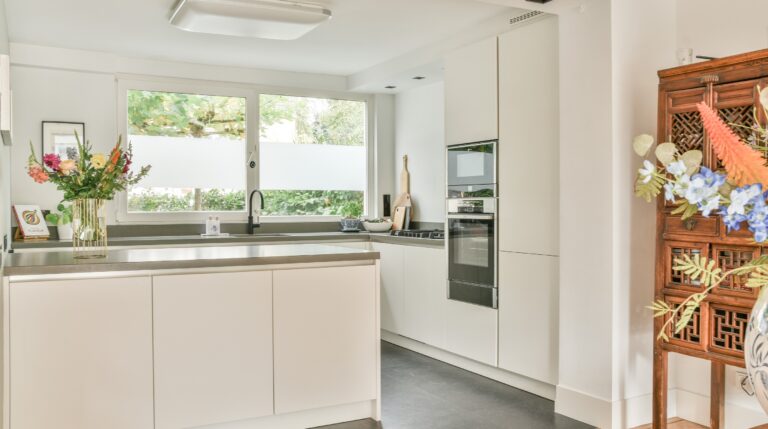
When Renata priced a remodel for the kitchen in her 1990s two-story outside Portland, the three quotes came back at $32,000, $46,000, and $54,000 for what looked, on paper, like the same job. The spread was not markup. The low bid carried an $8,000 cabinet allowance and left appliances, tile, and countertops as “to be selected.” The middle bid itemized semi-custom plywood cabinets, a specific quartz counter, and a real appliance budget. Once Renata saw that the cheap bid was buying stock cabinets and deferring half the selections, the $14,000 gap to the middle bid made sense, and the low number stopped looking like a deal.
What drives kitchen remodel cost
Scope. A cosmetic refresh, meaning paint, hardware, countertops, and a backsplash with the layout untouched, is a different job from a remodel that moves walls, relocates the sink, or adds an island with power. Layout changes pull in plumbers and electricians and can double a budget.
Cabinets. This is the single biggest line, usually 30 to 40 percent of the total. Stock cabinets keep the number down, semi-custom offers more sizes and finishes at a moderate premium, and custom cabinetry sits at the top. When one bid is far cheaper, the cabinet grade is almost always the reason.
Moving plumbing, gas, or electrical. Relocating the sink, adding a gas line for a range, or wiring an island brings in licensed trades and permits. This is the most common reason a “simple” remodel jumps a tier in price.
Countertops and appliances. Laminate is cheap, quartz and granite sit in the middle, and natural stone runs high. Appliance packages swing widely depending on whether you buy builder-grade or professional-style.
Your home’s age. If the house was built before 1978, opening walls can disturb lead paint, and the EPA’s Renovation, Repair and Painting rule requires a Lead-Safe certified contractor. That certification, and any abatement, is a real line in an older-home remodel.
Cost ranges by scope
| Scope | Typical Range | Notes |
|---|---|---|
| Cosmetic refresh | $8,000 – $15,000 | Paint, hardware, counters, backsplash; layout untouched |
| Midrange remodel | $25,000 – $60,000 | Semi-custom cabinets, new counters and appliances, same footprint |
| Major remodel (moved walls/plumbing) | $60,000 – $100,000+ | Layout change, custom cabinets, structural or plumbing work |
| Cabinets (share of budget) | 30% – 40% | Stock vs semi-custom vs custom is the biggest single swing |
| Countertops (installed) | $40 – $100 per sq ft | Laminate low, quartz and granite mid, natural stone high |
What moves the number up or down
Two kitchens of the same size rarely get the same price, and the reasons are predictable. Use this to understand why your bids differ before you assume one contractor is overcharging.
| Factor | Effect on price |
|---|---|
| Custom cabinets vs stock | Higher; the largest single swing in most budgets |
| Moving sink, gas, or adding circuits | Higher; licensed trades plus permits |
| Natural stone counters and pro appliances | Higher; premium materials and package cost |
| Pre-1978 home (lead-safe work) | Higher; certified crew and possible abatement |
| Same footprint, semi-custom, mid appliances | Lower; keeps the job in the midrange tier |
| Off-season scheduling | Lower in some markets; slower contractor demand |
Your estimate may vary with your region, cabinet grade, and what the crew finds once demo starts. A midrange kitchen in a lower-cost market can run 15 to 20 percent below these figures; the same job in a high-cost metro runs 10 to 25 percent above. Cabinet lead times and hidden issues behind old walls are the two most common reasons a project runs long and over, so ask about both up front.
How to read and compare kitchen quotes
Compare scope first, total second. A complete kitchen bid lists an itemized allowance for cabinets, countertops, appliances, fixtures, tile, and flooring, plus demo, plumbing, electrical, permits, and labor as separate lines. A bid that reads “kitchen remodel – $45,000” cannot be compared to a detailed one.
When you have three bids, normalize the allowances. If one carries a $9,000 cabinet allowance and another carries $18,000, the lower bid is not doing the same work for less, it is buying stock cabinets or deferring the choice until after you have signed. Add the missing scope to the vague bid before you compare totals, and the gap often shrinks or reverses. The FTC’s home improvement guidance is worth heeding here too: never pay in full up front, and never make the final payment until the work is done and you are satisfied.
The bid that comes in far under the others deserves the most scrutiny, not the least. Ask the low bidder directly what the cabinet allowance covers, whether the appliances and counters are selected or deferred, and how change orders are priced. The answers tell you whether you are looking at a genuine value or a number engineered to win the signature.

Hire a pro vs. DIY
A kitchen remodel is mostly a hire-a-pro job, and the reasons are plumbing, gas, and electrical. Those trades require licensing and permits, and a mistake behind a wall is expensive and dangerous. Cabinet installation and countertop templating also reward experience; a misaligned cabinet run or a bad counter seam shows for the life of the kitchen.
The honest line: painting the walls yourself, swapping cabinet hardware, or installing a simple backsplash are reasonable DIY tasks that can trim the budget. The demolition, the cabinets, the counters, and anything touching plumbing, gas, or electrical belong with a pro. When you are ready to hire, insist on line-item allowances and at least three bids, because that is how you catch the cabinet number that makes a cheap bid cheap.
A kitchen rarely gets remodeled in isolation. If new flooring runs through the space, our guide to hiring a flooring installer walks through the same vetting steps, and once the cabinets are in, our guide to hiring interior painters covers finishing the walls and trim without paying for surprises.
Cabinets are usually the single largest line item in that kitchen remodel budget, and our cabinet refacing and replacement cost guide breaks out refinishing, refacing, and full replacement pricing in more detail than we cover here.
Ready to compare local kitchen remodeler quotes? Find a vetted kitchen remodeler near you via Thumbtack and get free, itemized quotes from background-checked pros.
FAQ
How much does a kitchen remodel cost in 2026?
A midrange remodel typically runs $25,000 to $60,000 with semi-custom cabinets, new counters, and new appliances on the same footprint. A cosmetic refresh can land under $15,000, and a major remodel that moves walls or plumbing and uses custom cabinets can pass $100,000. Cabinets are usually 30 to 40 percent of the total, so the cabinet grade drives most of the spread.
Why are my kitchen quotes so far apart?
Almost always the cabinet allowance and the selections. A bid that comes in low usually carries a small cabinet allowance, quotes stock rather than semi-custom, or leaves appliances and counters “to be selected.” When you normalize the allowances across bids so they cover the same cabinets and materials, the gap typically shrinks or flips.
Does moving the sink or adding an island really cost that much?
Yes, because it pulls in licensed plumbers and electricians and usually a permit. Relocating plumbing or gas, or wiring an island, is the most common reason a remodel jumps from the midrange tier into a higher one. If you can keep the layout and appliances in place, you keep the job in the less expensive band.
How many quotes should I get for a kitchen remodel?
Three is the right floor. Three line-item bids with itemized allowances let you spot the contractor who underpriced the cabinets or deferred the selections, the most common way a kitchen bid comes in low. For a large or complex remodel, a fourth bid gives you a better price anchor.