
What Basement Waterproofing Costs in 2026, by Method, and Why Two Honest Quotes Can Differ by Thousands
8 min read · Last updated August 17, 2026
- Diane got three quotes for the same wet basement in Cleveland: $650, $4,600, and $11,200, and all three were honest because each one fixed a different part of the water path.
- Interior drain tile with a sump pump typically runs $3,000 to $10,000, most commonly $4,000 to $8,000, while exterior excavation and membrane runs $7,000 to $18,000, most commonly $10,000 to $15,000.
- The International Residential Code has required footing drains on new homes with below-grade living space since long before 2026; a home missing one is a strong sign of which method it actually needs.
- The Bureau of Labor Statistics’ producer price index for ready-mix concrete rose about 3.7 percent year over year through July 2026, which lands directly on any method requiring new concrete work.
In this article
- The diagnosis that decides the method
- Cost by method
- The worked math: three quotes on the same basement
- How to compare quotes that are actually solving different problems
- FAQ
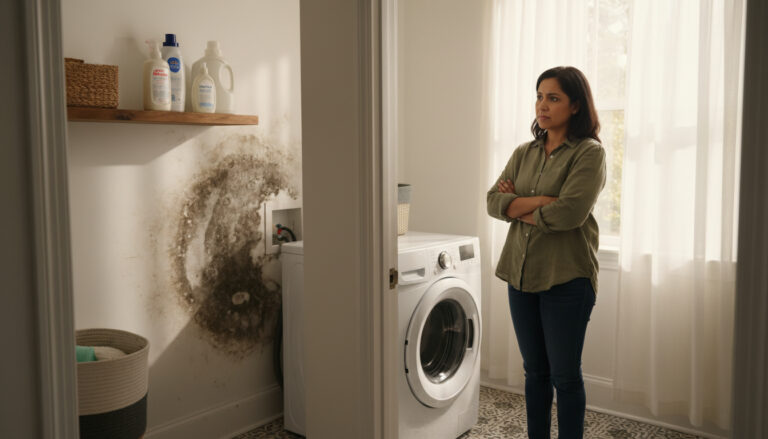
Diane got three quotes for the same wet wall in her Cleveland basement: $650 to regrade the yard and extend her downspouts, $4,600 for interior drain tile and a sump pump along the affected wall, and $11,200 for full exterior excavation and a membrane. All three companies were honest. Each one had diagnosed a different point where the water was actually getting in, and each price reflected a real, different scope of work, not three competing bids on the same job.
The diagnosis that decides the method
Water enters a basement one of two ways: running across the surface toward the foundation during a storm, or pushing through the wall itself under hydrostatic pressure once the soil around the footing is saturated. A grading and downspout problem shows up mainly during active rain and stops soon after. Water that keeps seeping in for a day or two after the rain has stopped, or that shows up even during a slow, steady soak rather than a downpour, points toward pressure at the footing instead, which grading alone will not fix.
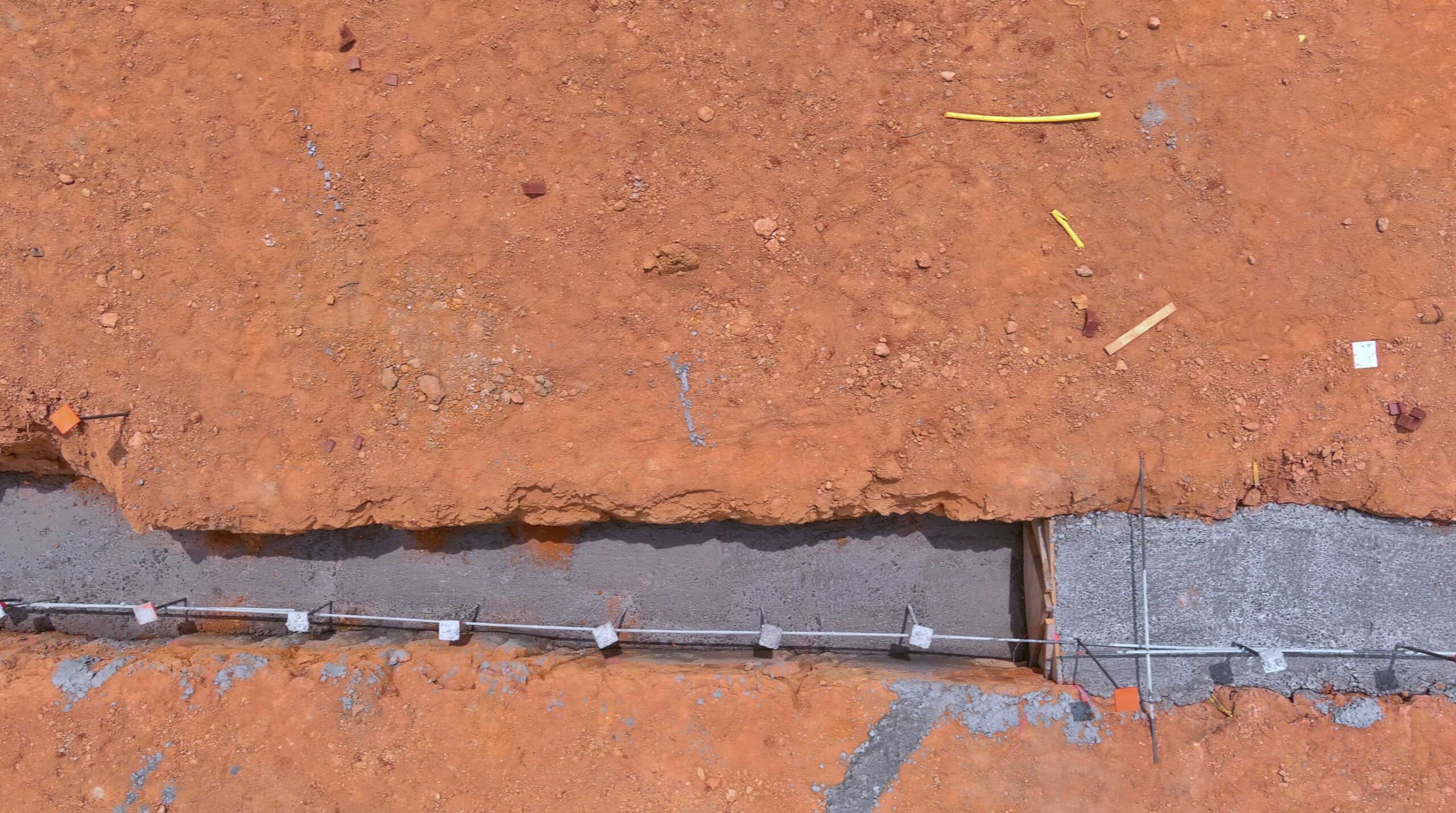
The International Residential Code’s foundation drainage requirement, Section R405.1, has long required a drain of gravel, crushed stone, or perforated pipe around the footing of any foundation enclosing below-grade living space, extending at least a foot beyond the footing’s outside edge. A home built to that standard with an intact footing drain rarely needs interior drain tile or exterior excavation at all. A home missing one, whether it predates the requirement or the original drain has since failed, is exactly the kind of home where Diane’s more expensive quotes become necessary rather than optional upsells.
Cost by method
| Method | Typical cost | What it actually fixes |
|---|---|---|
| Grading and downspout correction | Often $500 to $1,000, mostly labor | Surface water running toward the foundation; does nothing for a failed footing drain |
| Crack injection, epoxy or polyurethane | $300 to $800 per crack | An isolated crack; not a fix for water seeping across a whole wall |
| Interior drain tile with sump pump | $3,000 to $10,000, most commonly $4,000 to $8,000 | Manages water once it reaches the footing; does not stop it from entering the wall in the first place |
| Exterior excavation and membrane | $7,000 to $18,000, most commonly $10,000 to $15,000 | Intercepts water before it reaches the wall; the most complete fix, and the most disruptive to install |
These ranges come from two independent 2026 consumer cost guides, not a government source, since no federal agency tracks retail waterproofing pricing. What does move on a fixed schedule is the concrete behind an exterior job. The Bureau of Labor Statistics’ producer price index for ready-mix concrete rose from 394.340 in July 2025 to 408.992 in July 2026, about 3.7 percent, so any method involving new footing or foundation concrete work is pricing in a real, verifiable increase, on top of whatever a contractor quotes for labor.
The worked math: three quotes on the same basement
Diane’s affected wall ran about 35 linear feet. The interior drain tile quote, at roughly $60 per linear foot within the sourced $50-to-$70 range, worked out to $2,100 for the drain tile itself. Add a sump pump with a battery backup system at roughly $2,500, and the total lands at $4,600, squarely inside the $4,000-to-$8,000 range most interior systems fall into for a partial rather than full perimeter.
The exterior quote, at $11,200, covered excavating along that same 35-foot stretch down to the footing, applying a waterproof membrane, and installing exterior drain tile tied into new discharge piping, a fuller scope that also involves new concrete patching once the excavation is backfilled. The grading quote, at $650, addressed only the downspout extensions and a regraded slope away from the foundation, the cheapest fix and the right one only if surface runoff, not pressure at the footing, turns out to be the actual cause.
How to compare quotes that are actually solving different problems
Ask every contractor to state, in writing, where they believe the water is entering and why their proposed method addresses that specific path, not just a price and a scope description. A quote that skips this explanation entirely is harder to trust regardless of its number, high or low. Verify license and insurance directly with the state board, not from a certificate handed over on-site, since waterproofing work below grade is exactly the kind of job where a shortcut is invisible until the next heavy rain.
Water left unaddressed in a basement does not stay a waterproofing problem for long. The EPA’s guidance on mold and moisture in the home notes that mold can begin growing on damp materials within 24 to 48 hours, which is part of why the cheapest quote is not automatically the safest choice if it only treats a symptom the water keeps returning through. If your basement damage is already extensive enough to need remediation on top of a fix, a mold remediation specialist is a separate, necessary call, not a substitute for fixing the water path itself.
Get three written estimates, and expect them to disagree on method, not just price, if your basement’s water source hasn’t been definitively diagnosed yet. Ask for a transferable warranty on any interior or exterior system, since that transferability matters directly if you sell the house before the warranty term ends.
Your own numbers will move with the length of the affected wall, the soil and drainage conditions around your foundation, the grade of membrane or sump system quoted, local labor rates, and how urgently the work needs to happen. A basement with water along two walls instead of one roughly doubles the linear footage in an interior or exterior quote, and a sump pump with a battery backup and a higher-capacity motor costs more than a basic single-pump setup. A hairline surface crack with no active leak may be a reasonable candidate for a DIY sealant. Grading, drain tile, and any excavation below grade are not, since a failed do-it-yourself attempt on a foundation wall is far more expensive to undo than it would have been to hire correctly the first time.
Once the water problem is solved, finishing the space is a separate scope. Hiring a basement remodeler for that stage should start with confirming the waterproofing work is complete and warrantied before any framing begins.
Ready to get a real diagnosis instead of three unrelated numbers? Find a vetted waterproofing pro near you via Thumbtack and get free quotes from background-checked pros.
Frequently asked questions
How much does basement waterproofing cost on average? It depends entirely on the method your basement actually needs. Grading and downspout fixes often run $500 to $1,000, interior drain tile typically runs $4,000 to $8,000, and full exterior excavation and membrane systems typically run $10,000 to $15,000, based on 2026 cost guide data.
What’s the real difference between interior and exterior waterproofing? Interior drain tile manages water once it has already reached the footing, routing it to a sump pump. Exterior excavation and membrane systems intercept water before it ever reaches the wall, which is why they cost more and involve more disruption to install.
Is crack injection enough to fix a wet basement? Only if a single isolated crack is the actual source. Crack injection runs $300 to $800 per crack but does not address water seeping broadly across a wall or entering at the footing, which needs a drain tile or exterior system instead.
How long does a basement waterproofing job actually take? Grading and downspout work is often a single day. Interior drain tile along one wall typically runs one to three days. Full exterior excavation and membrane work commonly takes three to seven days, depending on how much of the foundation perimeter needs to be dug up and how the backfill and landscaping repair are scheduled.
How do I know which waterproofing method I actually need? Track when the water shows up. Water that appears only during active rain and stops soon after usually points to a surface or grading issue. Water that keeps seeping in after the rain stops, or shows up during a slow steady soak, points to pressure at the footing that grading alone will not fix. See what to ask before you hire a waterproofing contractor for the full vetting checklist, including the written diagnosis you should get before signing.