Plumbing Repair Cost: What Common Jobs Cost in 2026 and Where Quotes Get Padded
6 min read · Last updated September 28, 2026
- Homewyse’s September 2026 data puts a single drain clearing at $139-$347 and a slow leak repair at $347-$418, both far more common jobs than the sewer-line work that runs $336-$410 and up.
- Emergency and after-hours plumbing calls run on a $150-an-hour standard rate, plus a separate $200-$300 flat emergency callout charge on top of the usual trip fee, per Fixr’s rate guide.
- The Bureau of Labor Statistics’ producer price index for plumbing fixtures and fittings rose 5.1% year-over-year through August 2026, which shows up as higher parts costs on top of labor.
- A hidden two-hour minimum can shrink a quote that looks dramatically cheaper down to within about $70 of a flat-rate quote once the minimum and trip fee are added in. Ask for the minimum billable time before comparing two numbers.
Most plumbing repairs run $140 to roughly $800 depending on the job, with drain clearing and toilet repairs on the low end and a new kitchen faucet on the high end; the real gap between two quotes for the same job is usually what each price includes, not how many hours get billed.
In this article
- What plumbing repairs actually cost, job by job
- What changes the price on the same job
- Hourly versus flat rate: reading a quote so you know what you’re paying for
- Your estimate may vary
- Frequently asked questions
Grace Tanaka’s kitchen drain backed up on a Sunday afternoon in Phoenix. She called two plumbers for the exact same job, clearing a single clogged drain line, and the quotes that came back were $70 apart before either plumber had said a word about parts.
What plumbing repairs actually cost, job by job
These are September 2026 national averages, each from its own Homewyse estimator: drain clearing, toilet leak repair, general leak repair, main sewer line cleaning, and kitchen faucet installation.
| Job | Typical cost range | What’s included |
|---|---|---|
| Drain clearing (single fixture) | $139 – $347 | Snaking or basic clog removal, one drain |
| Toilet leak repair | $317 – $383 | Flapper, fill valve, or wax ring, parts and labor |
| General leak repair | $347 – $418 | Locating and sealing an accessible supply or drain leak |
| Main sewer line cleaning | $336 – $410 | Clearing a main line clog, per piping run |
| Kitchen faucet installation | $480 – $797 | New faucet, parts and labor, per faucet |
These are national averages for straightforward jobs done under normal conditions. A leak behind a finished wall or a drain clog three fixtures deep in the line costs more than these baseline figures, which is exactly why the next section matters. Ask any plumber to name which of these baseline jobs they think you have before they arrive, and get that guess in writing alongside the estimate, so a mid-repair change to a bigger job isn’t a surprise on the final invoice.
What changes the price on the same job
| Factor | Impact on price |
|---|---|
| Time of call | After-hours and weekend calls run on a $150 hourly rate plus a $200-$300 flat emergency charge, versus $45-$90 an hour standard |
| Pipe accessibility | Cutting into a finished wall or slab adds demolition and patch-back cost on top of the plumbing labor itself |
| Age and material of existing pipes | Older galvanized or cast iron lines are more likely to need a full section replaced instead of a spot repair |
| Permit requirements | Sewer and water line work often needs a local permit, adding inspection time and a fee separate from the plumber’s quote |
| Parts grade | A big-box store faucet versus a contractor-grade one changes the material line item independent of labor |
Hourly versus flat rate: reading a quote so you know what you’re paying for
Grace’s two quotes looked like a straightforward hourly-versus-flat-rate comparison, and the arithmetic is worth walking through because it’s the part most homeowners skip. Fixr’s plumbing rate guide puts a journeyman’s standard hourly rate at $45-$90, which lines up with what Plumber B quoted before the minimum-hours clause changed the total.
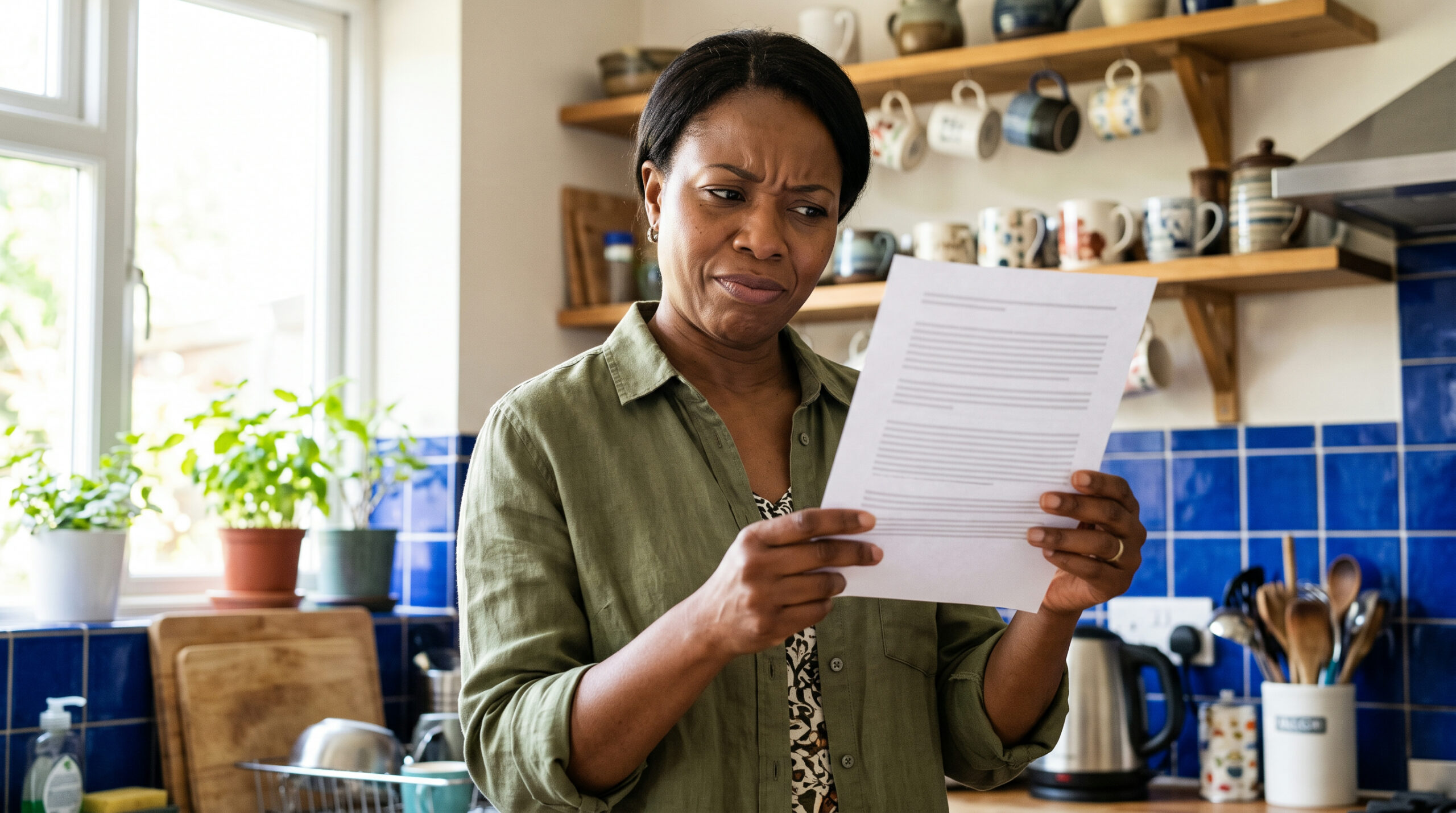
Plumber A quoted a flat $325 for the visit, parts and labor included, regardless of how long the job actually took. Plumber B quoted an hourly rate of $90, which sounded cheaper until Grace asked about minimums: that shop bills a two-hour minimum, $90 x 2 = $180, plus a separate $75 trip fee, for a total of $255 before the clock runs past two hours. $180 + $75 = $255. That’s $70 less than Plumber A’s flat rate ($325 – $255 = $70), and it was a real saving only because Grace asked the follow-up question. Compared at face value, the $90 hourly figure looks drastically cheaper than $325; compared as an actual total, the gap shrinks to $70.
The lowest number on the phone is not automatically the best deal once minimums, trip fees, and what’s excluded get factored in. The Federal Trade Commission’s (FTC) own consumer guidance on home repair estimates says to get three written estimates and sign a contract before any work starts. Don’t automatically pick the lowest of the three, either; that’s this site’s own observation, not the FTC’s, but it follows directly from what Grace’s numbers show. What to Ask Before You Sign a Contractor’s Contract covers the same line-item questions for a bigger job. Get every quote in writing with parts and labor itemized separately, and match the plumber’s experience to the job. A journeyman who routinely clears kitchen drains is the right fit here; a job involving a cast iron sewer line replacement calls for someone who has actually done that specific work before.
Your estimate may vary
Every figure above is a national baseline. A drain clog in a slab-foundation home in the Southwest, where Grace lives, tends to run close to the national average since accessibility is typically straightforward; the same clog three floors up in an older Northeast rowhouse with narrow access can run 15%-25% above these numbers once the plumber has to work around tighter clearances. Get at least three quotes locally rather than assuming a national figure applies directly to your address. Water heater installation is another plumbing-adjacent job with the same regional spread, for comparison.
Snaking a simple clog is a job some homeowners handle themselves with a $30-$40 drain auger; a main sewer line clog, a fixture replacement that involves shutting off the main water supply, or anything behind a finished wall is not a reasonable do-it-yourself (DIY) project and is where the cost ranges above start to apply.
Frequently asked questions
Why did two plumbers quote the same job so differently? Usually because of what’s included, not how many hours get billed. A flat rate already factors in a shop’s typical time-on-job, while an hourly rate can hide a minimum billable period and a separate trip fee that only show up once you ask.
Is drain cleaning really under $350? Homewyse’s September 2026 national data puts a single-fixture drain clearing at $139-$347. A main sewer line clog costs more, typically $336-$410 for basic cleaning and considerably more if a video inspection or hydro jetting is needed.
How much more does an emergency plumbing call cost? Expect a $150 hourly rate as the after-hours standard, plus a separate $200-$300 flat emergency callout charge on top of the usual trip fee, according to Fixr’s plumbing rate guide. A problem that can safely wait until morning is worth waiting on.
Should I choose the cheapest quote? Not automatically. Compare what each quote includes: parts grade, warranty, permit handling, and any minimum billable hours, not just the number at the bottom. Get at least three written quotes before deciding.
Why are plumbing costs rising? The Bureau of Labor Statistics’ producer price index for plumbing fixtures and fittings rose 5.1% year-over-year through August 2026, which raises the parts side of a repair independent of local labor rates.
Ready to compare local plumbers quotes? Find a vetted plumber near you via Thumbtack and get free quotes from background-checked pros.