Hire an HVAC Installer Near You
6 min read · Last updated July 13, 2026
- A gas furnace replacement commonly runs $4,500 to $9,000, and a matched furnace-and-AC system runs $9,000 to $16,000 installed, before any ductwork changes.
- The single most important thing a good installer does before quoting is a load calculation (a Manual J); a bid based on “same size as the old one” is a guess.
- Efficiency is measured in AFUE for furnaces and SEER2 for air conditioners; to carry the ENERGY STAR label a gas furnace must reach 90 to 95 percent AFUE depending on climate.
- Verify the state license, general liability insurance, and EPA Section 608 certification before work starts, and get at least three itemized bids.
In this article
– What to sort out before you call an HVAC pro – The questions that separate HVAC bids – Red flags in an HVAC quote – What HVAC installation should cost – FAQ
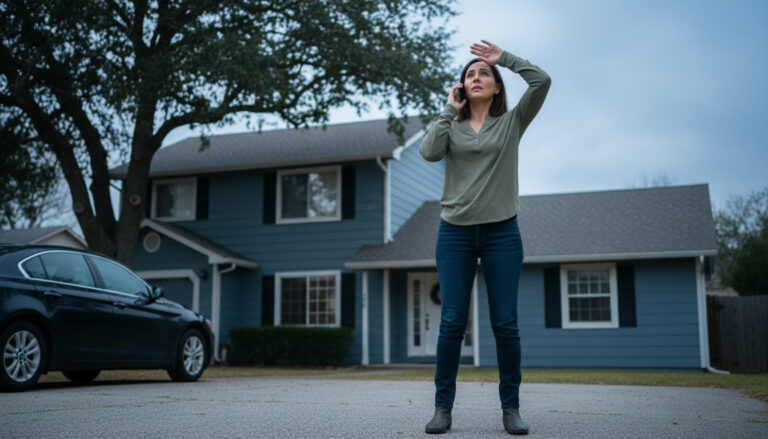
David’s furnace died in a January cold snap, so he called three HVAC companies for a full furnace-and-AC replacement on his 1,800-square-foot ranch outside Denver. The quotes came back at $9,200, $12,800, and $15,500. The cheapest company measured nothing, quoted a furnace the same size as the failed one over the phone, and could start the next day. The middle company ran a load calculation, found the old unit was oversized, and specified a smaller high-efficiency furnace plus a matched air conditioner with new refrigerant lines. Once David understood that the low bid was buying the wrong-sized equipment on a hunch, the $3,600 gap to the properly sized system stopped looking like a premium.
What to sort out before you call an HVAC pro
Decide what you are actually replacing before you dial, because “the HVAC” can mean several different jobs. A like-for-like furnace swap is simpler than a full system change that pairs a new furnace with a new air conditioner, and both are different from switching to a heat pump or adding ductwork. The scope decides the price and the timeline, so be specific on the first call.
Know your fuel and your climate. Gas furnaces dominate cold regions, heat pumps are increasingly common in milder ones, and the right efficiency target depends on where you live. Furnace efficiency is rated by AFUE, the share of fuel actually turned into heat, and air conditioner efficiency by SEER2. The Department of Energy’s guidance on energy-efficient furnaces explains why a higher AFUE cuts your bills over the life of the unit, and to carry the ENERGY STAR label a gas furnace must hit 90 percent AFUE in southern climates and 95 percent in northern ones.
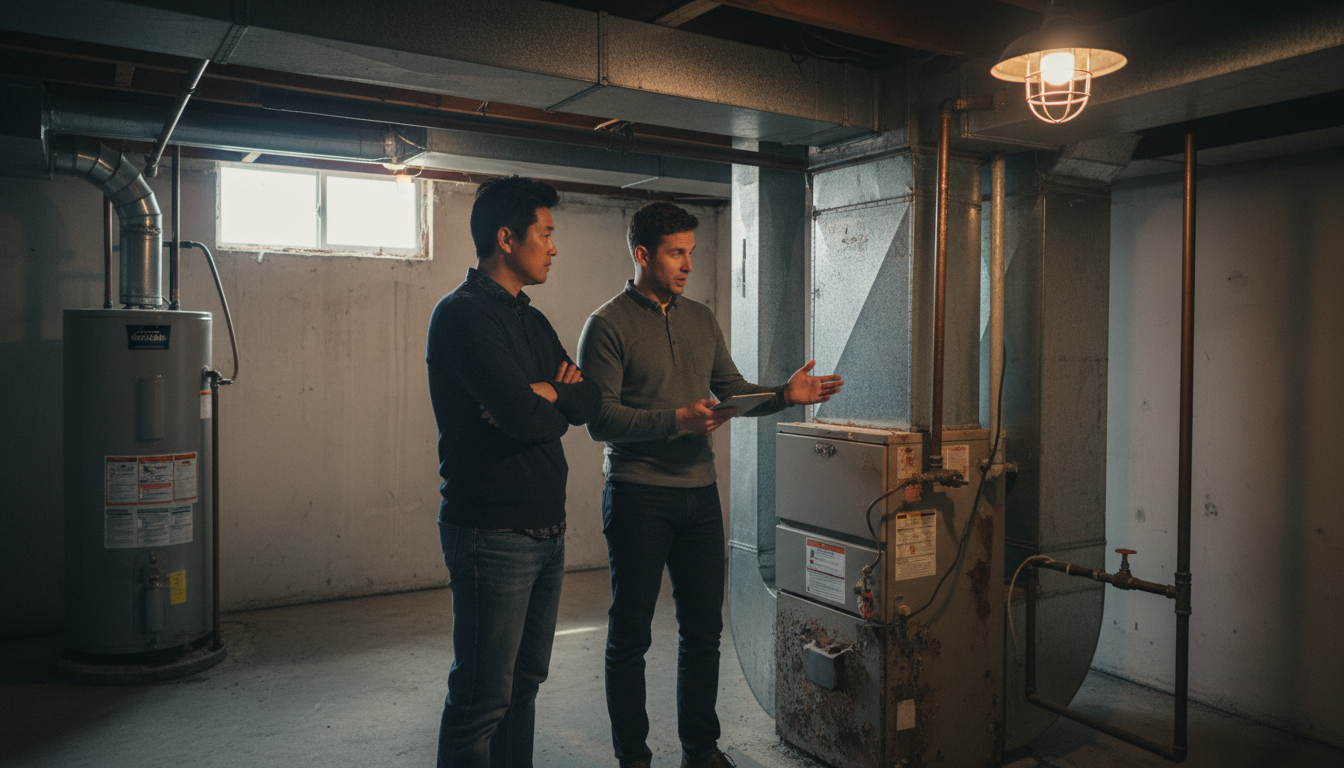
Most important, insist that any real bid start with a load calculation, often called a Manual J. It sizes the equipment to your home’s square footage, insulation, windows, and layout rather than to whatever was installed decades ago. Oversized systems cost more up front, short-cycle, and leave rooms unevenly heated. A contractor who quotes without one is skipping the step that determines whether the system works.
The questions that separate HVAC bids
Ask every company the same questions and line up the answers, not just the totals.
Are you licensed and insured in this state, and are your techs EPA certified? Most states license HVAC contractors; ask for the number and check it with your state board. You want general liability insurance and workers’ compensation, plus EPA Section 608 certification, which federal law requires for any technician handling refrigerant. The FTC’s guidance on avoiding home improvement scams is blunt about confirming licensing with your state or county before you hire.
Did you run a load calculation, and can I see it? This is the question that exposes the lazy bid. A real answer includes a Manual J and an explanation of why the recommended size fits your home. “Same as your old one” is the answer to walk away from.
What are the AFUE, SEER2, and model numbers? Get the exact equipment on paper so you can compare bids that look similar. A cheaper bid often carries a lower-efficiency unit that costs more to run every month for the next 15 years.
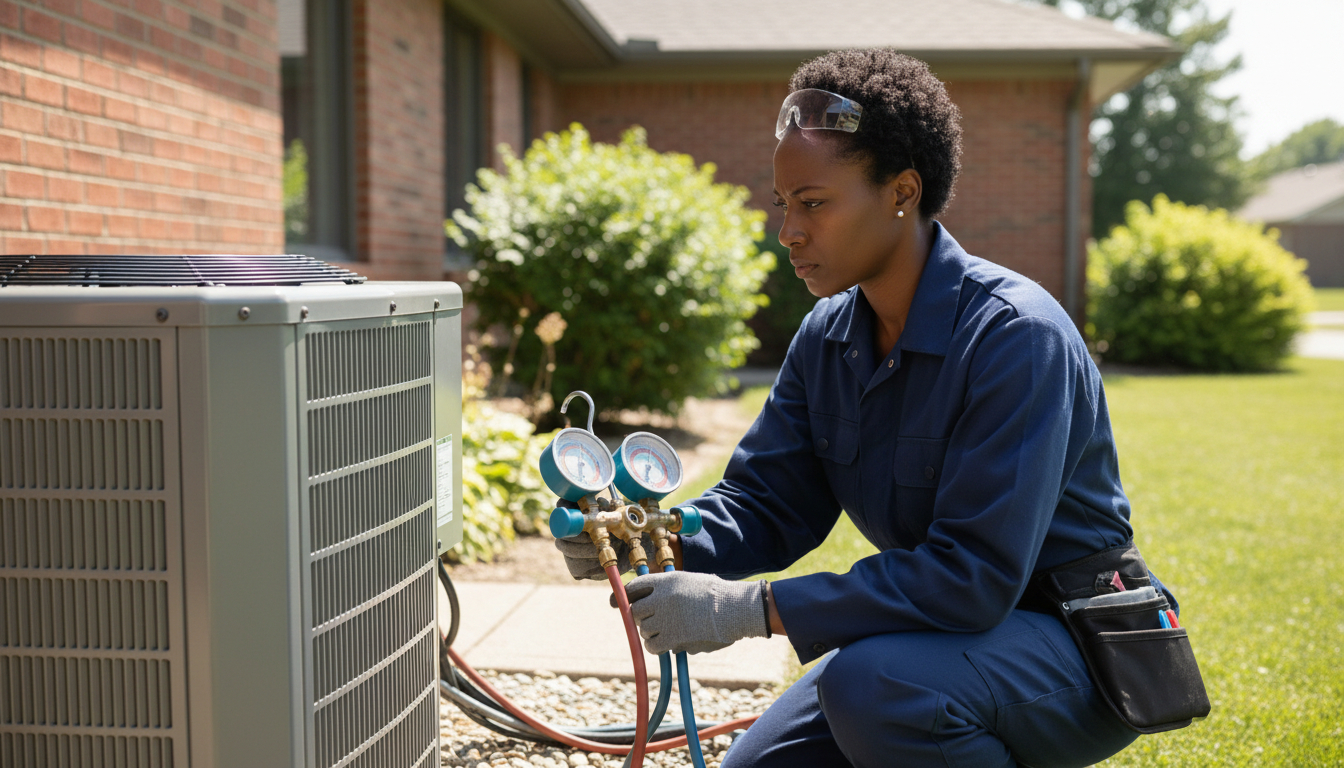
Who pulls the permit, and what does commissioning include? HVAC replacement almost always requires a permit and an inspection. The installer should pull it. Commissioning, meaning verifying refrigerant charge, airflow, and combustion after install, is what separates a working system from a bolted-down box.
What does the labor warranty cover, and how long? Manufacturers warranty the equipment, but the install is on the contractor. A labor warranty of at least one year, ideally longer, plus a clear maintenance recommendation, is what you want in writing.
Insist on a written, line-item estimate: equipment and model numbers, labor, permit, any ductwork or refrigerant-line work, thermostat, and haul-away of the old unit. A bid that reads “new HVAC system – $12,000” cannot be compared to anything.
Red flags in an HVAC quote
A firm price quoted before anyone measured your home or inspected the ductwork is the biggest one. Equipment sizing depends on the load calculation, and duct condition can change the whole job.
Watch for pressure to decide today, especially during a heat wave or cold snap when you have no heat or cooling and feel cornered. High-pressure, act-now sales tactics and demands for full payment up front are exactly the warning signs the FTC flags. A deposit of 10 to 30 percent with the balance due on completion and inspection is standard; cash-only or paid-in-full-first is not.
Be wary of a quote that only lists a price and a brand with no model number, no efficiency rating, and no mention of a permit. Vague equipment lines are how a bid stays low, and skipped permits leave you holding the risk if the install fails inspection or the house is sold.
What HVAC installation should cost
You do not need an exact figure to catch an outlier, just the right range. Costs depend on the system type, your existing ductwork, and the efficiency tier you choose.
| Scope | Typical Range | Notes |
|---|---|---|
| Gas furnace replacement (like-for-like) | $4,500 – $9,000 | 80% to 96% AFUE, existing ductwork |
| Central AC replacement | $5,000 – $9,500 | 14 to 17 SEER2, existing lineset |
| Matched furnace + AC system | $9,000 – $16,000 | New furnace and condenser, existing ducts |
| Ducted heat pump system | $6,000 – $18,000 | Replaces both heating and cooling |
| New or replacement ductwork | $2,000 – $6,000 | Added only if ducts are undersized or failing |
Your estimate may vary with your climate, home size, and duct condition. The same furnace costs more to install where labor rates are high or where the equipment has to be carried up two flights. If a bid lands well below the others, ask whether it includes a load calculation, the permit, and commissioning before you assume it is a better deal.
Air quality and moisture problems often surface during an HVAC job. If you have noticed a musty smell from the vents or suspect moisture in the ductwork, our guide to hiring a mold remediation specialist covers testing and cleanup before new equipment goes in.
Ready to compare local HVAC installation quotes? Find a vetted HVAC installer near you via Thumbtack and get free, itemized quotes from background-checked pros.
FAQ
How much does it cost to install a new HVAC system in 2026?
A gas furnace replacement typically runs $4,500 to $9,000, a central AC replacement runs $5,000 to $9,500, and a matched furnace-and-AC system runs $9,000 to $16,000 installed with existing ductwork. Heat pumps and any new ductwork add to that. The system type, the efficiency tier, and your local labor rates drive most of the spread, so a per-unit price is only a starting point.
What is a Manual J load calculation, and do I really need one?
A Manual J is the industry-standard calculation that sizes heating and cooling equipment to your specific home, using square footage, insulation, windows, and layout. Yes, you need one. Sizing off the old unit often carries forward a system that was wrong to begin with, and an oversized furnace or AC short-cycles, wastes energy, and wears out faster. A contractor who will not run one is skipping the step that determines whether the system performs.
What efficiency rating should I look for?
For gas furnaces, look at AFUE; an ENERGY STAR furnace hits 90 percent in the South and 95 percent in the North. For air conditioners and heat pumps, look at SEER2. Higher-efficiency equipment costs more up front but lowers your monthly bills for the life of the unit, so the right choice depends on your climate and how long you plan to stay in the home.
How many HVAC quotes should I get?
Three is the right floor. Three itemized bids, each with a load calculation and specific model numbers, let you compare equipment and efficiency rather than just the bottom line. If one bid is far below the others, it is usually quoting lower-efficiency equipment, skipping the permit, or sizing off the old unit instead of measuring.